The Screwtape Letters is among the best books of C.S. Lewis. So, what is it all about and why should you read it? Here’s a book review you shouldn’t miss!
Quick Verdict
Rating: 4.8/5
Few books expose the subtle nature of temptation as effectively as The Screwtape Letters. Written with wit, intelligence, and profound spiritual insight, C.S. Lewis turns the concept of spiritual warfare upside down by allowing readers to see the Christian life through the eyes of a demon. The result is a book that is both entertaining and deeply convicting.
Whether you’re a lifelong Christian, a new believer, or simply interested in understanding one of the most influential Christian books ever written, The Screwtape Letters deserves a place on your reading list.
🚨 SUPER IMPORTANT TO READ: 🚨
Editor’s note: This list of books is intended to be used for informational purposes only. Moreover, I have my own fundamental beliefs that may differ from that of the authors, creators, and sellers of the products featured here. Moreover, you can also choose to read books I have written or enroll in my best online course. Ultimately, whatever books you choose in this list, make sure you study your Bible first because it is always the best of the best books of all time Here’s a list of Bibles that you should have. Finally, I am an Amazon Affiliate Program participant. As an Amazon Associate, I earn from qualifying purchases at no additional cost to you. I would highly appreciate it if you buy books through my site. Thank you!
What Is The Screwtape Letters Review About?
The Screwtape Letters is a collection of fictional letters written by a senior demon named Screwtape to his nephew, Wormwood, a junior tempter assigned to lead a young English man away from God.
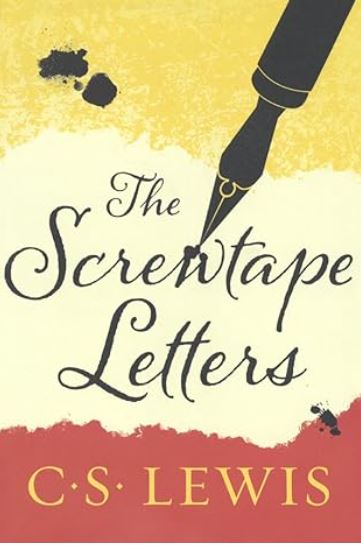
Rather than showing readers how to grow spiritually, Screwtape explains how demons attempt to weaken faith, encourage sin, foster pride, and distract people from what truly matters.
The brilliance of the book lies in its perspective. Everything is presented from the enemy’s point of view. What God desires is called “the Enemy” by the demons, while temptation and spiritual destruction are treated as victories.
As readers follow the correspondence, they gain a fascinating look into the strategies that Lewis believed Satan uses to influence human behavior.
Book Summary
The story unfolds during World War II as Wormwood attempts to corrupt a man referred to simply as “the Patient.”
Screwtape continually advises Wormwood on how to:
- Distract the Patient from prayer.
- Encourage spiritual complacency.
- Foster pride and self-righteousness.
- Create division in relationships.
- Turn religion into mere routine.
- Exploit fear, anxiety, and uncertainty.
- Replace genuine faith with empty appearances.
Throughout the letters, Lewis reveals that the greatest spiritual dangers are often not dramatic sins but small compromises that slowly pull people away from God.
One of the book’s most famous themes is that spiritual decline usually happens gradually rather than suddenly.
As Screwtape observes:
“The safest road to Hell is the gradual one.”
This insight alone has caused countless readers to reevaluate their own spiritual lives.
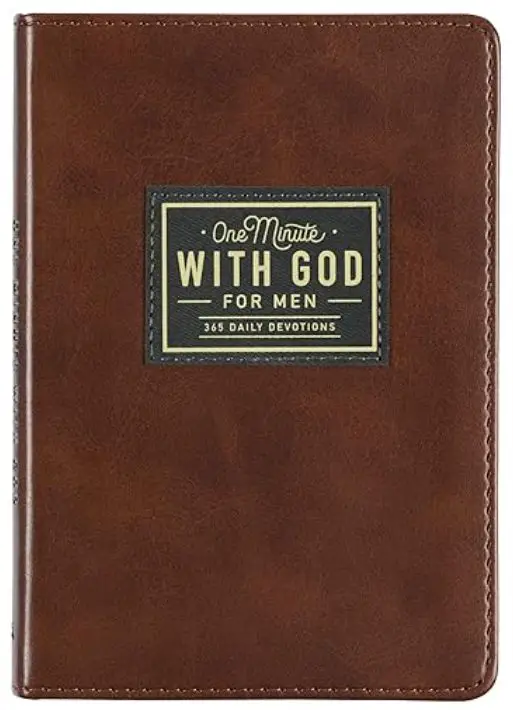
Top 3 Best-Selling Christian Books for October 2026


Who Was C.S. Lewis?
Clive Staples Lewis (1898-1963), better known as C.S. Lewis, was a British writer, literary scholar, Christian apologist, and professor.
He is widely regarded as one of the most influential Christian thinkers of the twentieth century.
Lewis taught at Oxford and later at Cambridge. Though raised in a Christian environment, he became an atheist during his youth before eventually embracing Christianity.
His conversion profoundly shaped his writing.
Some of his most famous works include:
- The Chronicles of Narnia
- Mere Christianity
- The Great Divorce
- Miracles
- The Problem of Pain
- The Screwtape Letters
Lewis had a unique ability to explain complex spiritual truths in ways that ordinary readers could understand.
The Background Behind The Screwtape Letters
Published in 1942, The Screwtape Letters first appeared as a series of articles in a Christian newspaper called The Guardian.
Europe was in the midst of World War II, and many people were wrestling with fear, suffering, uncertainty, and questions about God.
Lewis recognized that external crises often reveal deeper spiritual realities.
Rather than writing a traditional theological book, he chose satire and imagination to illustrate how temptation works.
Interestingly, Lewis later admitted that writing from a demonic perspective was spiritually exhausting. He found it difficult to continually place himself inside the mindset of evil.
Yet that challenge helped produce one of the most original Christian books ever written.
Why You Should Read The Screwtape Letters
1. It Exposes How Temptation Really Works
Many Christians imagine temptation as something obvious and dramatic.
Lewis shows that the enemy often works through:
- Distraction
- Busyness
- Pride
- Comfort
- Bitterness
- Small compromises
Readers frequently discover that the greatest threats to their spiritual lives are not what they expected.
2. It Makes You Examine Yourself
This is not a book you merely read.
It is a book that reads you.
Many readers find themselves recognizing their own habits, attitudes, and weaknesses within the pages.
3. It Is Surprisingly Funny
Despite its serious subject matter, the book contains sharp humor and brilliant satire.
Screwtape’s observations about human behavior are often amusing because they are so accurate.
4. It Remains Relevant Today
Although written over eighty years ago, the book feels remarkably modern.
Lewis discusses issues such as:
- Political division
- Consumerism
- Entertainment addiction
- Self-centeredness
- Cultural distractions
These themes are arguably even more relevant today than when the book was first published.
5. It Strengthens Spiritual Discernment
Readers gain a greater awareness of how subtle spiritual deception can be.
The book encourages vigilance without promoting fear.
Why You Might Not Want To Read It
1. The Writing Style Feels Dated
Lewis wrote in the early twentieth century, and some readers may find the language more formal than modern books.
2. It Requires Careful Reading
Because everything is written from a demon’s perspective, readers must mentally reverse many statements to understand Lewis’s actual point.
3. It Is Deeply Christian
Those looking for a purely secular self-help book may not connect with its theological foundation.
Christian beliefs are woven into every chapter.
4. It Can Be Convicting
Many readers report feeling challenged or uncomfortable after reading certain sections.
The book shines a spotlight on subtle sins that are often overlooked.
What Are Readers Saying?
Across generations, readers have praised The Screwtape Letters for its originality and insight.
Common themes in reader reviews include:
- “I’ve never looked at temptation the same way again.”
- “One of the most thought-provoking Christian books ever written.”
- “Every chapter feels surprisingly relevant.”
- “Lewis understood human nature better than almost anyone.”
Many readers revisit the book multiple times because different lessons stand out during different seasons of life.
Key Themes Explored In The Book
Spiritual Warfare
Lewis explores the unseen battle between good and evil that influences everyday life.
Pride
One of the book’s central messages is that pride often serves as the gateway to countless other sins.
Free Will
The book highlights the importance of personal choices and moral responsibility.
Faithfulness In Ordinary Life
Lewis emphasizes that spiritual growth usually occurs through small, daily acts of obedience rather than dramatic moments.
The Danger Of Drift
One of the book’s most powerful ideas is that people often move away from God gradually rather than intentionally.
Best Quotes From The Screwtape Letters
Some of the book’s most memorable insights include:
“The safest road to Hell is the gradual one.”
“Indeed the safest road to Hell is the gradual one.”
“Courage is not simply one of the virtues, but the form of every virtue at the testing point.”
These observations continue to resonate with readers decades after publication.
Who Should Read This Book?
This book is ideal for:
- Christians seeking spiritual growth.
- Pastors and ministry leaders.
- Bible study groups.
- Readers interested in apologetics.
- Fans of C.S. Lewis.
- Anyone curious about spiritual warfare.
Final Thoughts
The Screwtape Letters remains one of the most creative and influential Christian books ever written. By presenting spiritual truth through the perspective of a demon, C.S. Lewis forces readers to see temptation, faith, and discipleship in an entirely new light.
The book is intellectually stimulating, spiritually challenging, and surprisingly entertaining.
More than eighty years after its publication, it continues to help readers recognize the subtle ways spiritual compromise can enter everyday life.
If you are looking for a Christian classic that will sharpen your discernment, deepen your self-awareness, and leave you thinking long after you turn the final page, The Screwtape Letters is well worth reading.
Final Rating: 4.8/5
A timeless masterpiece that reveals how the greatest spiritual dangers are often the ones we never see coming.
Discover more from Becoming Christians
Subscribe to get the latest posts sent to your email.