Can a woman lead a home bible study? Short answer: Yes, a woman can lead a home Bible study—especially in informal, family, or small group settings—as long as it does not place her in a pastoral or authoritative teaching role over men in a formal church context. Scripture affirms both the value of women teaching and the distinction of roles within the church. Women can actively disciple, teach other women and children, and contribute meaningfully to spiritual growth while honoring God’s design for leadership in the church.
Why This Question Matters
The question, “Can a woman lead a home Bible study?” is more relevant than ever. With the rise of small groups, home fellowships, and online gatherings, many Christians are asking where the boundaries lie.
Is leading a Bible study the same as being a pastor?
Does Scripture prohibit women from teaching altogether?
Or is there a biblical balance that honors both truth and order?
This article will walk through what the Bible teaches, clarify common misunderstandings, and provide practical guidance.

Understanding the Difference: Church Authority vs. Home Bible Study
One of the biggest reasons this topic creates tension is because two very different environments are often treated as if they are the same. When Scripture speaks about authority, it is speaking into a defined structure, not every possible setting where the Bible is discussed.
If we don’t make that distinction, we end up either restricting what God allows or allowing what God has ordered.
📢 Do you want to learn more about this crucial and controversial topic? Many people assume that women can now teach, preach, and take on a pastoral role in the church. Discover what God thinks by reading my full article, “In-Depth Study: What Does the Bible Say About Women Being a Preacher or Pastor?“
What Makes Pastoral Leadership Unique?
When the New Testament describes church leadership, it is not simply talking about someone who knows the Bible well or can explain it clearly. It is describing a recognized office with spiritual authority and responsibility.
1. Authority That Is Recognized by the Church
A pastor or elder is not self-appointed. He is:
- Publicly recognized
- Held accountable
- Entrusted with leadership over a congregation
This matters because authority in Scripture is tied to responsibility, not just activity.
2. Teaching With Binding Authority
Pastoral teaching is not just sharing insights. It carries weight:
- It defines doctrine
- It corrects error
- It guides the direction of the church
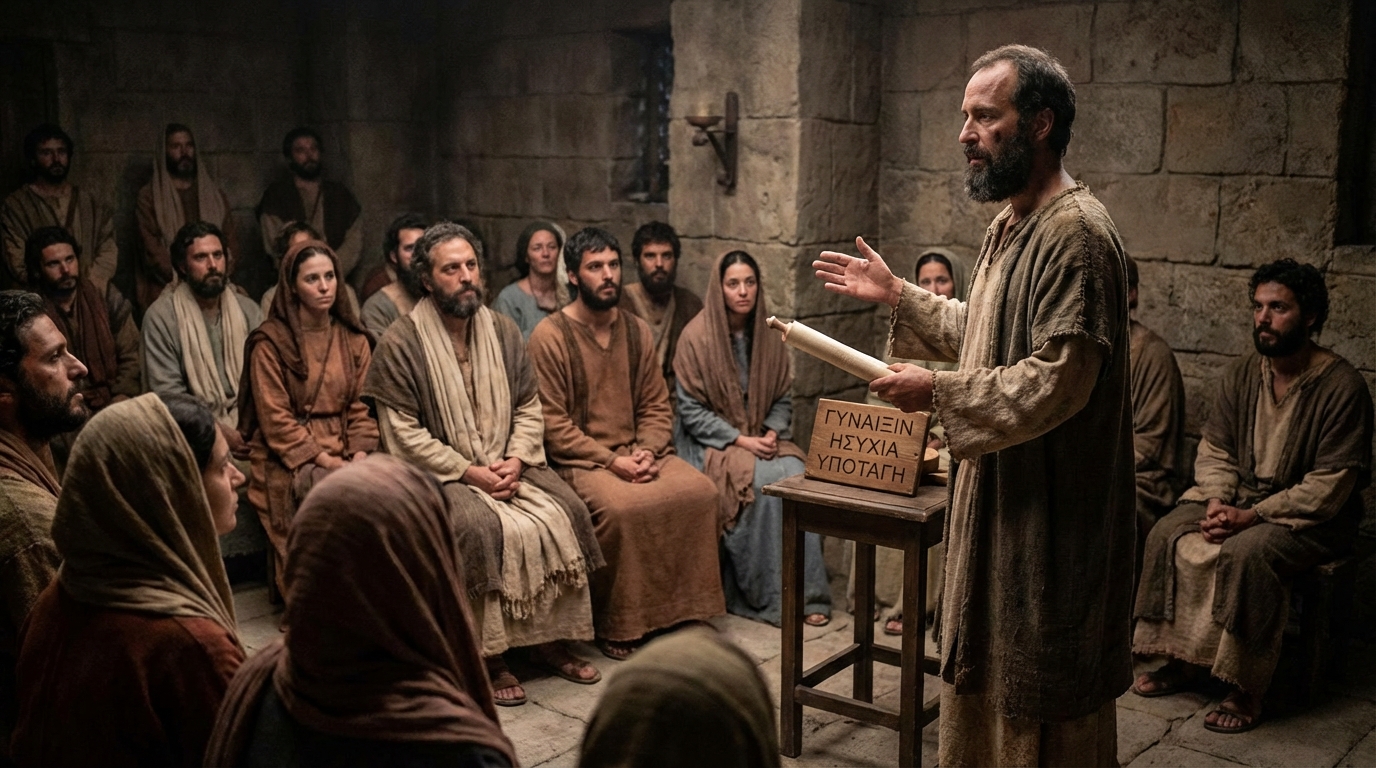
This is what Paul is addressing in 1 Timothy 2:12. The issue is not simply speaking, but teaching in a way that exercises authority over men in the gathered church.
3. Shepherding and Oversight
A pastor:
- Watches over souls (Hebrews 13:17)
- Protects against false teaching
- Makes decisions that affect the whole body
This kind of leadership goes far beyond facilitating a discussion. It involves spiritual governance.
What Makes a Home Bible Study Different?
A home Bible study, by contrast, operates in a completely different category.
1. It Is Relational, Not Institutional
A home study usually consists of:
- Friends, family, or small groups
- Voluntary participation
- Shared learning rather than structured authority
No one is formally “under” the leader in the same way they would be under a pastor.
2. It Emphasizes Discussion Over Authority
In most home Bible studies:
- People ask questions
- Insights are shared
- Learning is mutual
Even when one person facilitates, they are not functioning as a governing authority. They are guiding conversation, not defining doctrine for a church body.
3. It Does Not Replace the Church
This is a crucial boundary.
A home Bible study becomes problematic when it:
- Starts acting like a church
- Replaces corporate worship and leadership
- Establishes its own authority structure
But when it remains a supplement to the church, it serves as a powerful tool for discipleship.
Why This Distinction Matters Biblically
Understanding this difference helps resolve the tension in a balanced way.
It Prevents Overcorrection
Some conclude that women should never teach in any setting. But Scripture clearly shows women:
- Teaching other women (Titus 2)
- Participating in discipleship
- Explaining truth in personal contexts (Acts 18)
Without the distinction, we risk silencing what God has permitted.
It Prevents Role Confusion
On the other hand, ignoring the distinction can lead to:
- Informal settings becoming authoritative platforms
- Blurring the line between discussion and leadership
- Gradually redefining biblical roles
This is how a simple Bible study can unintentionally become a functional church without biblical structure.
A Helpful Way to Think About It
Think of it this way:
- A pastor leads with authority over a church
- A Bible study leader facilitates growth within a group
Both involve Scripture.
Both can involve teaching.
But they are not the same in role, responsibility, or authority.
Bringing It Together
So, can a woman lead a home Bible study?
This distinction helps answer that clearly:
- If the setting is informal, relational, and non-authoritative, it aligns with biblical freedom for women to teach and disciple.
- If the setting begins to mirror church authority and leadership over men, it crosses into a role Scripture reserves for qualified men.
The key issue is not simply who is speaking, but what role they are functioning in.
When that is understood, the confusion begins to fade, and what remains is a clearer, more faithful application of Scripture..
Biblical Evidence: Women Teaching and Serving
When discussing whether women can lead or teach in certain settings, it’s important to let Scripture speak in full, not in fragments. The Bible does not present women as silent or sidelined. Instead, it shows them as active, capable, and essential contributors to God’s work, while still operating within a framework of order and roles.
These examples help us see that the issue is not whether women can teach, but how, where, and in what capacity that teaching takes place.
1. Teaching in Appropriate Contexts (Titus 2:3–5)
Paul’s instruction to older women is both clear and intentional. He tells them to be:
- Reverent in behavior
- Not slanderers or enslaved to much wine
- Teachers of good things
And then he specifies their focus: teaching younger women.
What This Reveals
This passage is powerful because it:
- Affirms teaching as a God-given responsibility for women
- Shows that discipleship is not limited to men
- Establishes a structured, intentional pathway of mentorship
This is not casual conversation. It is purposeful spiritual instruction.
Why This Matters
If teaching were completely off-limits for women, this command would not exist. Instead, we see that:
- Teaching is encouraged
- But it is also directed and ordered
This reinforces the idea that Scripture does not forbid women from teaching altogether. It guides where that teaching is most fitting and effective.
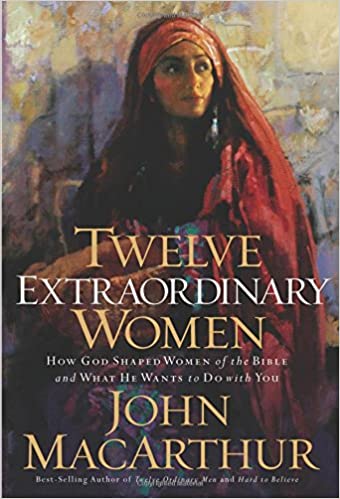
Top 3 Christian Books for Women in April 2026


2. Priscilla’s Example (Acts 18:26)
Priscilla, alongside her husband Aquila, encounters Apollos, a man described as eloquent and knowledgeable, yet lacking full understanding.
Together, they:
- Took him aside
- Explained the way of God more accurately
What Stands Out
Several important details are easy to miss:
- It was a private setting, not a public church assembly
- It was a partnership, not a solo authoritative act
- It was corrective and helpful, not positional leadership
Priscilla is clearly involved in theological instruction. That alone is significant.
Why This Matters
This moment demonstrates that:
- Women can engage in doctrinal clarity
- Women can help instruct even knowledgeable men
- Context matters deeply
Priscilla was not acting as a pastor or elder. She was participating in relational discipleship, which aligns with the broader biblical pattern.
3. The Value of Women in Ministry
Supporting Jesus’ Ministry (Luke 8:1–3)
Women were not passive observers in Jesus’ ministry. They were:
- Traveling with Him
- Supporting Him financially
- Participating in the mission
This shows a level of commitment, trust, and involvement that goes beyond the cultural norms of the time.
Witnesses of the Resurrection (Matthew 28:1–10)
It is deeply significant that women were:
- The first to discover the empty tomb
- The first to receive the announcement of the resurrection
- The first to carry that message to others
In a culture where women’s testimony was often undervalued, God chose them for this pivotal role.
What This Reveals
These moments highlight that:
- God intentionally includes women in His redemptive work
- Their role is not secondary in value, even if it differs in function
- They are entrusted with truth, responsibility, and influence
Summarizing the points
When we step back and look at the full picture, a consistent pattern emerges:
- Women are called to teach, but within God-defined contexts
- Women are capable of handling truth, even at a deep theological level
- Women are essential to discipleship and ministry, not optional participants
At the same time:
- Scripture maintains a distinction in formal church authority
- The pastoral role carries a responsibility that is uniquely defined

A Balanced Biblical Conclusion: Can a Woman Lead a Home Bible Study?
These examples protect us from two extremes:
1. Undervaluing Women
Ignoring these passages can lead to:
- Silencing women unnecessarily
- Wasting spiritual gifts
- Limiting discipleship
2. Ignoring Biblical Structure
On the other hand, removing all distinctions can lead to:
- Role confusion
- Blurring of church leadership boundaries
- A departure from apostolic teaching
Final Insight
The Bible does not present women as restricted from meaningful ministry. It presents them as strategically placed, spiritually gifted, and deeply influential.
The goal is not to ask, “Can women contribute?”
Scripture already answers that with a clear yes.
The better question is:
“How can women faithfully use their gifts in a way that aligns with God’s design?”
When that question guides us, we don’t diminish women, and we don’t disregard Scripture. We honor both.
A woman can lead a home Bible study when:
- The setting is informal (not a church authority structure)
- She is not assuming pastoral authority over men
- The environment promotes mutual learning and respect
- Biblical order and humility are maintained
When Caution Is Needed
It becomes problematic if:
- The study functions like a church with her as the authority
- She regularly teaches men in a way that assumes spiritual leadership over them
- It replaces or competes with church leadership
Practical Scenarios
Appropriate Situations
- A woman hosting and facilitating a group discussion
- Teaching children or other women
- Co-leading with her husband or under church oversight
- Leading in the absence of qualified male leadership in a non-authoritative way
Situations to Avoid
- Acting as the primary doctrinal authority over men
- Establishing a home study that functions as an independent church led by her
- Regularly preaching to mixed groups in a pastoral manner
What This Means for Christians Today
1. Honor Both Equality and Roles
Men and women are equal in value, dignity, and salvation (Galatians 3:28).
However, equality does not erase God-given roles.
2. Encourage Women’s Gifts
The church should not silence women unnecessarily. Instead, it should:
- Encourage discipleship
- Create opportunities for teaching within biblical boundaries
- Recognize spiritual gifts
3. Maintain Biblical Order
At the same time, Scripture calls for order in leadership. Ignoring this can lead to confusion and division.
Key Takeaways
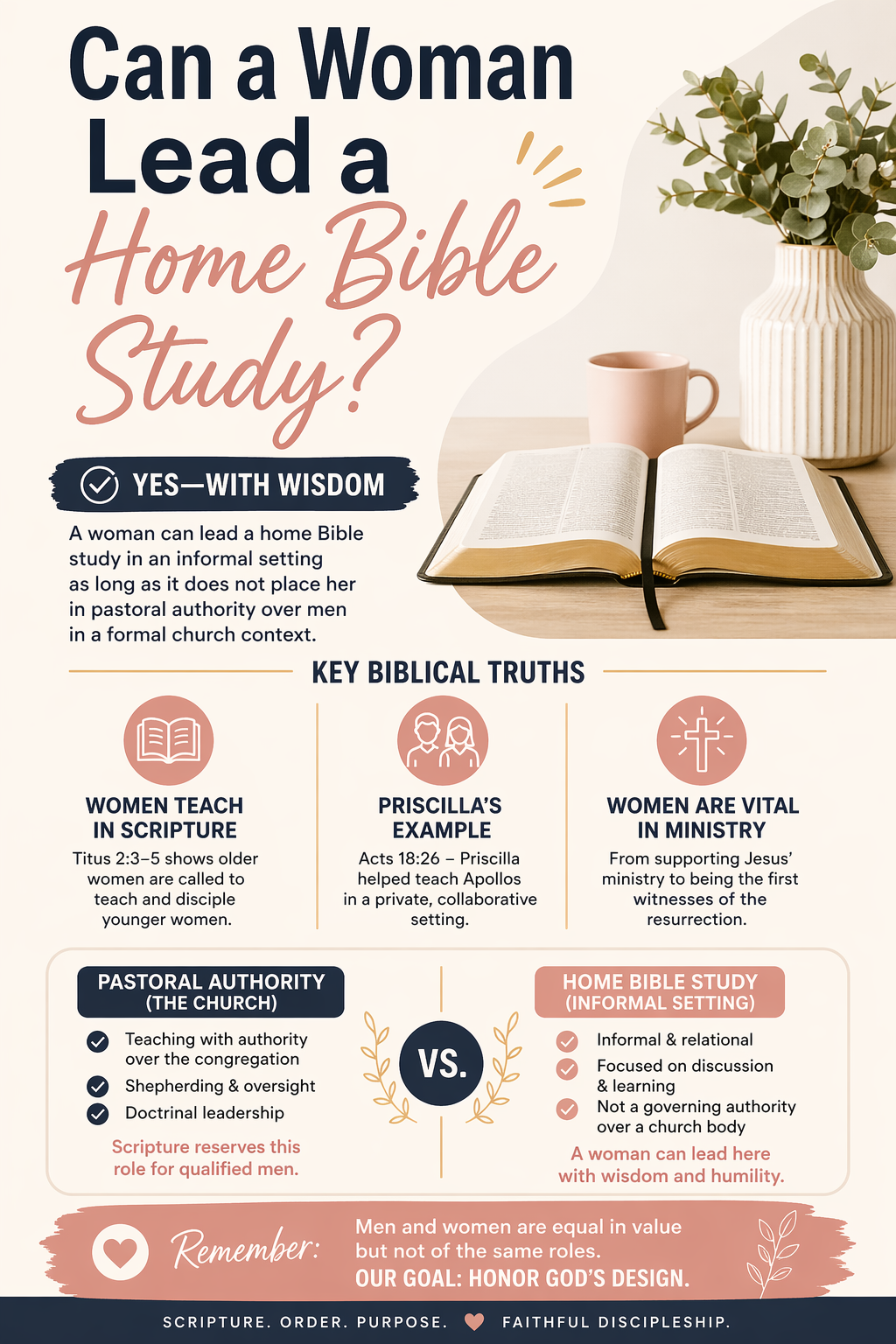
- A woman can lead a home Bible study in an informal setting
- Scripture restricts pastoral authority over men, not all teaching
- Women are called to disciple, teach, and serve meaningfully
- The issue is not ability, but biblical structure and roles
- Wisdom, humility, and context are essential
Frequently Asked Questions (FAQ)
Can a woman teach men in a Bible study?
A woman can actively participate in a Bible study, share insights, ask questions, and contribute to discussions in meaningful ways. The key distinction is avoiding a pattern of regular, authoritative teaching over men that mirrors a pastoral role. In informal settings, her contribution can be valuable and edifying without crossing into spiritual authority over men.
Is leading a Bible study the same as being a pastor?
No, leading a Bible study is not the same as being a pastor. A pastor carries recognized authority, responsibility, and oversight over a church, including doctrinal instruction and spiritual governance. A Bible study leader, on the other hand, typically facilitates discussion and learning in an informal setting without that level of authority.
What if there are no men available to lead?
In situations where no qualified men are available, a woman can step in to help facilitate a Bible study so that people can continue growing in God’s Word. This should be done with a spirit of humility, recognizing that she is serving a need rather than assuming a formal leadership role. Whenever possible, the goal should still be to remain connected to or under the guidance of a biblically ordered church.
Final Thoughts
The real question is not just can she, but how should it be done in a way that honors God’s Word?
A woman leading a home Bible study can be a powerful and beautiful expression of faith when done within biblical wisdom. The goal is not restriction for its own sake, but alignment with God’s design, where both men and women thrive in their God-given roles.

About the Author
Joshua Infantado is a Christian blogger and Bible teacher who has been writing faith-based content since 2013. He is the founder of Becoming Christians, where he shares blogs, books, videos, and online courses to help believers grow in truth and grace. Joshua lives in Davao City, Philippines, with his wife, Victoria, and their son, Caleb. Contact him at joshuainfantado@gmail.com.
Discover more from Becoming Christians
Subscribe to get the latest posts sent to your email.