The Bible is no doubt the written Word of God. It is His direct revelation to mankind to serve as an instruction manual on how to live this life. However, as enlightening as the Bible is, there are certain questions that remain unanswered. These unanswered questions in the Bible are narratives filled with enigmatic elements that continue to intrigue believers and scholars alike. Despite centuries of study, many questions remain unanswered. Here are 7 of the most compelling mysteries that still puzzle readers of the Bible.
1. Where is the Garden of Eden?
The Garden of Eden, described in Genesis as the idyllic home of the first humans, Adam and Eve, is a place of both allure and mystery. The Bible gives us a clue to its whereabouts:

10 Now a river went out of Eden to water the garden, and from there it parted and became four riverheads. 11 The name of the first is Pishon; it is the one which skirts the whole land of Havilah, where there is gold. 12 And the gold of that land is good. Bdellium and the onyx stone are there. 13 The name of the second river is Gihon; it is the one which goes around the whole land of Cush. 14 The name of the third river is Hiddekel; it is the one which goes toward the east of Assyria. The fourth river is the Euphrates.
Genesis 2:10-14
According to the Bible, it was situated near the confluence of four rivers: Pishon, Gihon, Tigris, and Euphrates.
The Garden of Eden has fascinated scholars and enthusiasts for centuries, with various theories proposed about its possible location. Let’s explore some of the most intriguing ideas.
One prominent suggestion comes from Juris Zarins, who argues that Eden might be at the head of the Persian Gulf, in southern Mesopotamia where the Tigris and Euphrates rivers flow into the sea. Other theories place Eden in the Armenian Highlands or the Armenian National Plateau. British archaeologist David Rohl even locates Eden in Iran, near Tabriz, though this idea hasn’t gained much traction in mainstream academia.
Some scholars suggest Eden was a large region in Mesopotamia, where its original inhabitants might still live in cities like Telassar, as inferred from biblical verses such as Isaiah 38:17. Others believe Eden could have encompassed the entire Fertile Crescent.
Adding to the mix, Terje Stordalen points out that the Book of Ezekiel places Eden in Lebanon. He notes that Lebanon might be an alternative location for Eden in Phoenician myth, drawing connections between paradise, the Garden of Eden, and the forests of Lebanon found in prophetic writings. Scholars like Edward Lipinski and Peter Kyle McCarter propose that the garden of the gods, an ancient Sumerian analog to the Garden of Eden, could be linked to a mountain sanctuary in the Lebanon and Anti-Lebanon ranges.
Each of these theories offers a different perspective, but none have been definitively proven, leaving the true location of the Garden of Eden a captivating mystery.
2. Where is Noah’s Ark?
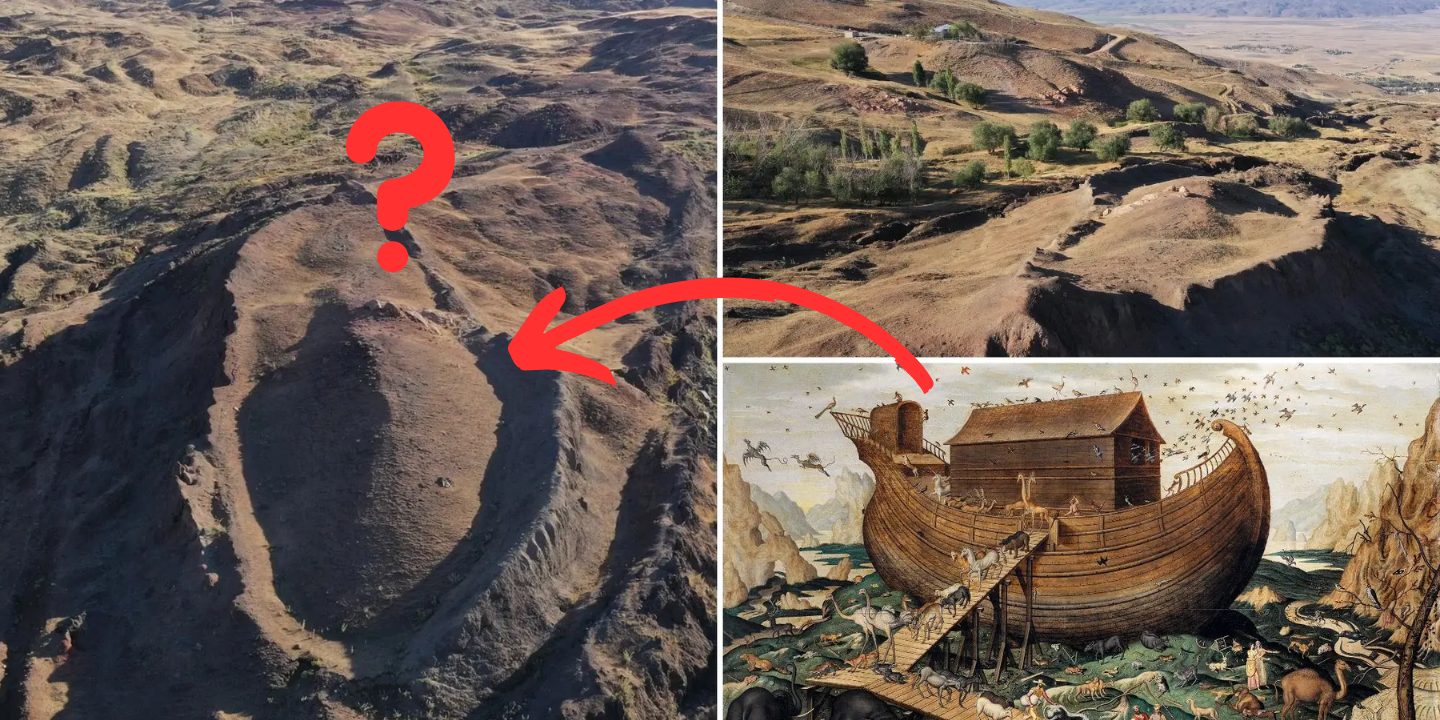
The story of Noah’s Ark, a massive vessel built to survive the Great Flood, is one of the most well-known biblical tales. Genesis describes it resting on the “mountains of Ararat” after the floodwaters receded.
We read:
3 And the waters receded continually from the earth. At the end of the hundred and fifty days the waters decreased. 4 Then the ark rested in the seventh month, the seventeenth day of the month, on the mountains of Ararat. 5 And the waters decreased continually until the tenth month. In the tenth month, on the first day of the month, the tops of the mountains were seen.
Genesis 8:3-5
Over the years, numerous expeditions have sought to locate the Ark, particularly on Mount Ararat in modern-day. However, there are certain reasons why we might never be able to find the Ark of Noah. These reasons are among the following:
1. Historical and Geological Changes
Over the millennia, the Earth’s landscape has undergone significant changes. Tectonic activity, erosion, and climatic shifts could have drastically altered the region where the Ark is believed to have come to rest. The mountains of Ararat, the traditional resting place of the Ark, are geologically active, which could have buried or destroyed any remnants of the Ark long ago.
2. Ambiguity in Biblical Description
The Bible provides limited and somewhat ambiguous details about the Ark’s final resting place. Genesis 8:4 states that the Ark came to rest “on the mountains of Ararat,” which does not pinpoint a specific peak or precise location. The term “mountains of Ararat” could refer to a wide area within the ancient kingdom of Urartu, covering a broad region in modern-day Turkey, Armenia, and Iran.

3. Harsh and Inaccessible Terrain
Mount Ararat itself, where many searches have focused, is a challenging environment. The mountain stands over 5,000 meters tall and is often covered in snow and ice. Its harsh weather conditions, including extreme cold, high winds, and frequent storms, make expeditions dangerous and limit the time researchers can spend searching. The terrain is also rugged and difficult to navigate, adding to the difficulty of conducting thorough searches.
4. Lack of Physical Evidence
Despite numerous expeditions and reported sightings, no conclusive physical evidence of the Ark has been found. Some explorers have claimed to discover wooden structures or artifacts, but these findings have not been verified through rigorous scientific methods. Without definitive evidence, such claims remain speculative and controversial.
5. Potential for Decomposition
Assuming the Ark was made of wood, the likelihood of it surviving thousands of years is slim. Wood is susceptible to decay, especially in the fluctuating temperatures and environmental conditions found on high mountains. Unless it was preserved in a highly favorable environment, any wooden structure would likely have decomposed or been eroded away over time.
Despite various claims of sightings and discoveries, conclusive evidence of the Ark’s existence and location remains elusive, leaving it one of the Bible’s enduring mysteries.
3. What happened during Jesus’ ‘missing years’?
The New Testament provides scant details about Jesus’ (Yahshua’s) life between the ages of 12 and 30, often referred to as the “missing years.” After an account of Jesus at age 12 in the Temple, the narrative skips to his public ministry around age 30. We read:
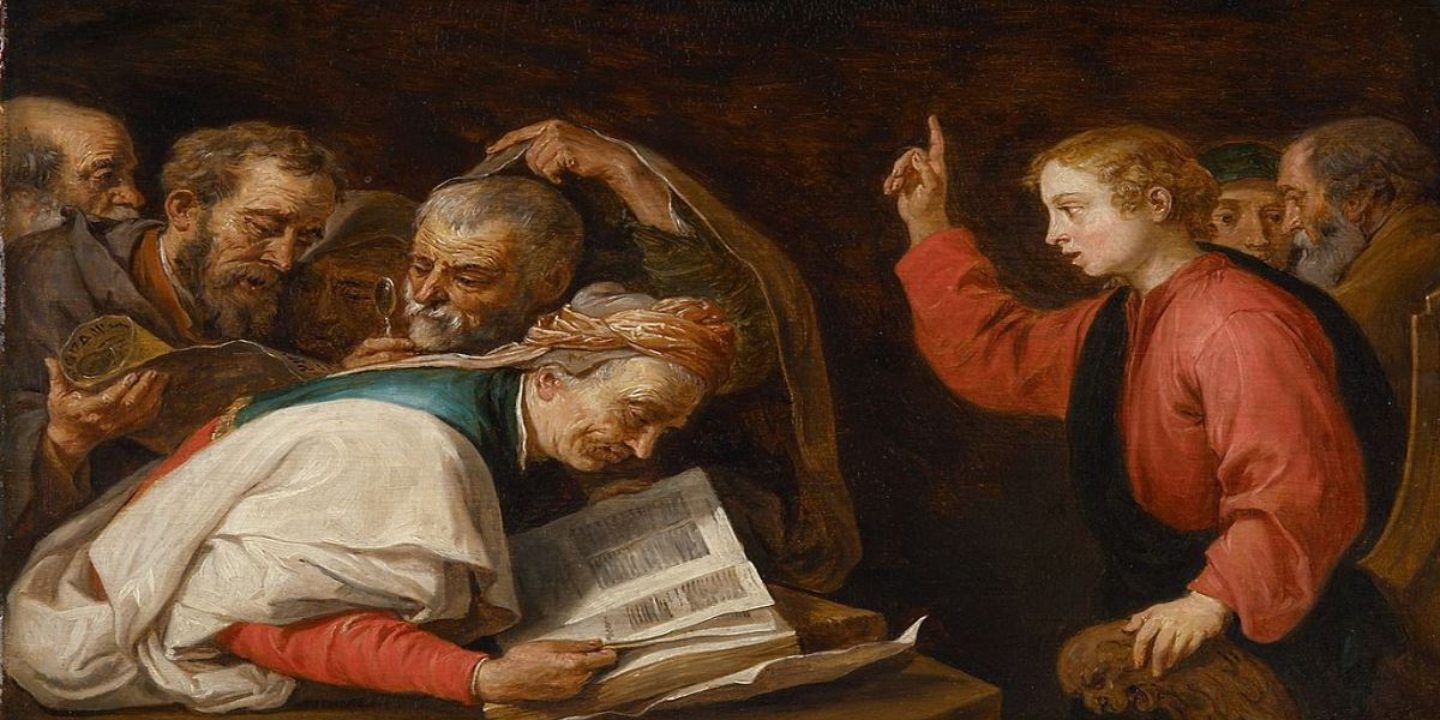
51 Then He went down with them and came to Nazareth, and was subject to them, but His mother kept all these things in her heart. 52 And Jesus increased in wisdom and stature, and in favor with God and men.
Luke 2:51-52
Various theories suggest he might have traveled to distant lands like India or Egypt, engaged in carpentry, or lived a life of spiritual preparation. The absence of concrete information fuels much speculation and curiosity about this significant period in Jesus’ life.
However, as for me, I believe that Yahshua was preparing Himself for His upcoming ministry. Also, it’s not wise to be dogmatic on things the Bible is silent about.
4. What was Paul’s ‘thorn in the flesh’?
In 2 Corinthians 12:7-9, we read:
7 And lest I should be exalted above measure by the abundance of the revelations, a thorn in the flesh was given to me, a messenger of Satan to buffet me, lest I be exalted above measure. 8 Concerning this thing I pleaded with the Lord three times that it might depart from me. 9 And He said to me, “My grace is sufficient for you, for My strength is made perfect in weakness.” Therefore most gladly I will rather boast in my infirmities, that the power of Christ may rest upon me.
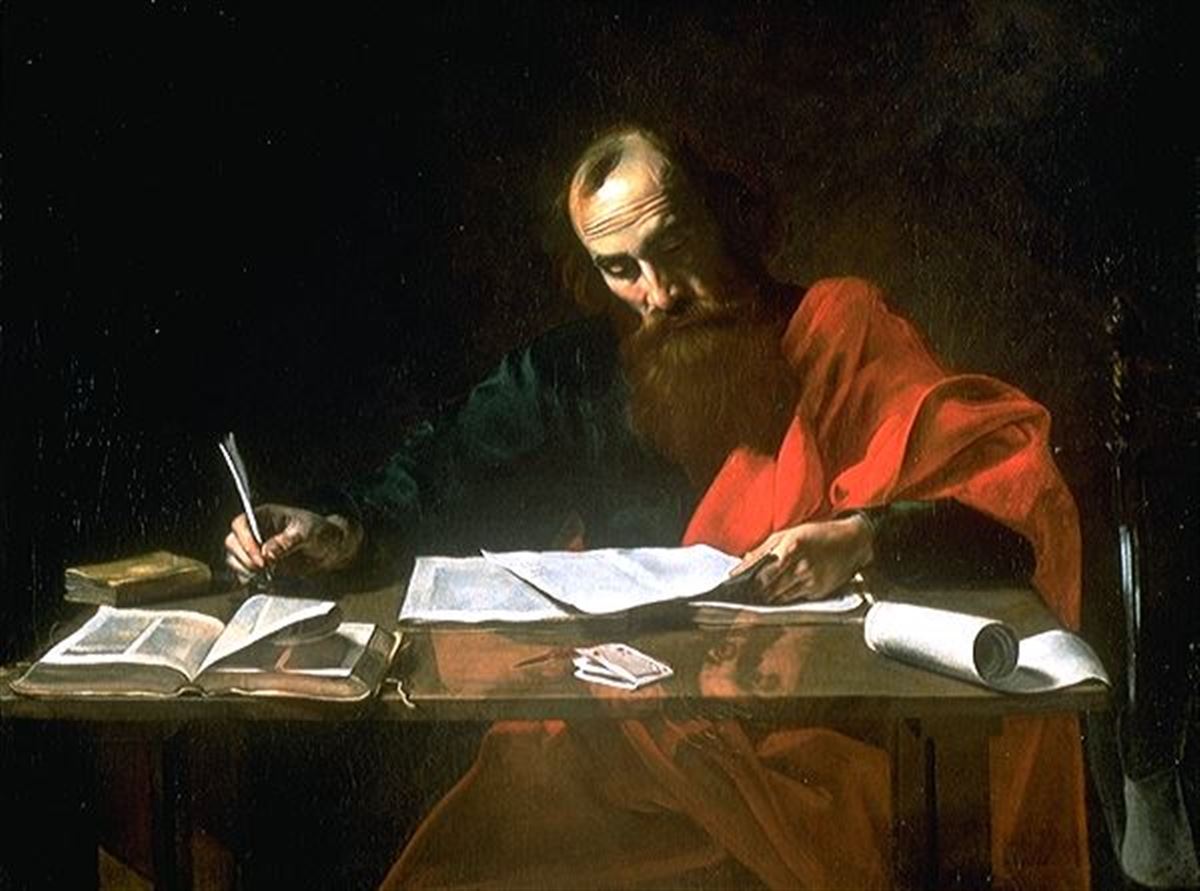
The Apostle Paul mentions a “thorn in the flesh,” a persistent affliction that troubled him greatly. Scholars have debated its nature, proposing possibilities such as a physical ailment, like epilepsy or a vision problem, or perhaps a psychological or spiritual struggle.
However, there’s one particular passage in the Bible that could give us a clue. We read:
11 See with what large letters I have written to you with my own hand!
Galatians 6:11
This could indicate that Paul was suffering from gradual loss of vision.
Despite these theories, the Bible does not provide enough detail to conclusively identify Paul’s “thorn,” leaving its exact nature open to interpretation and discussion. As this might be the case, the lesson is clear no matter what’s troubling you today, God’s grace is sufficient for you.
5. Where is the Ark of the Covenant?
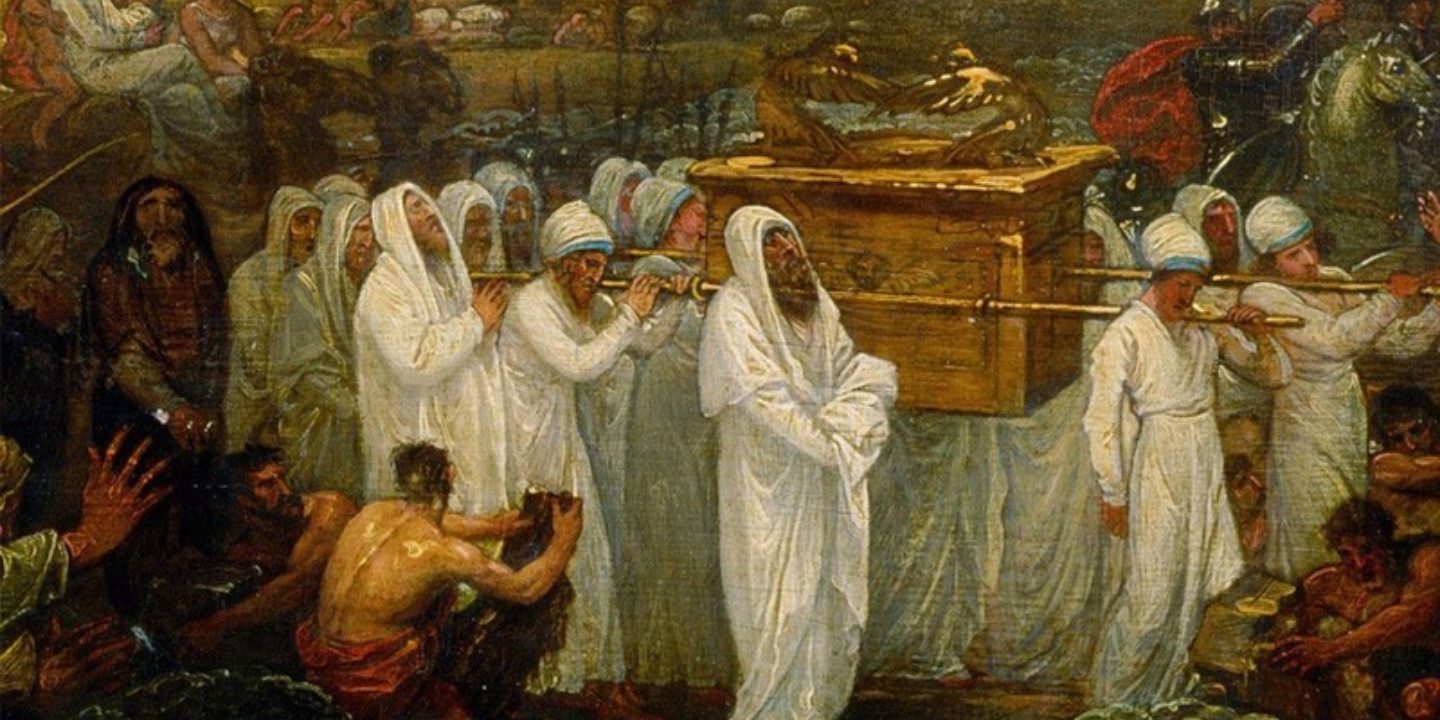
The Ark of the Covenant, which housed the stone tablets of the Ten Commandments, is another biblical artifact shrouded in mystery. It was last mentioned during the reign of King Josiah, and its subsequent fate is unknown. Some theories suggest it was hidden to protect it from invaders, possibly buried beneath the Temple Mount in Jerusalem, taken to Ethiopia, or lost to history. Despite numerous searches and claims of discovery, its location remains one of the Bible’s greatest unanswered questions.
6. What were the Urim and Thummim?
The Urim (“lights”) and Thummim (“perfections”) are among the most intriguing and mysterious artifacts mentioned in the Bible. These gemstones were carried by the high priest of Israel on the ephod, or priestly garments, and were used to discern God’s will in various situations. But how exactly did they work? Let’s dive into the details and explore the theories surrounding these enigmatic items.
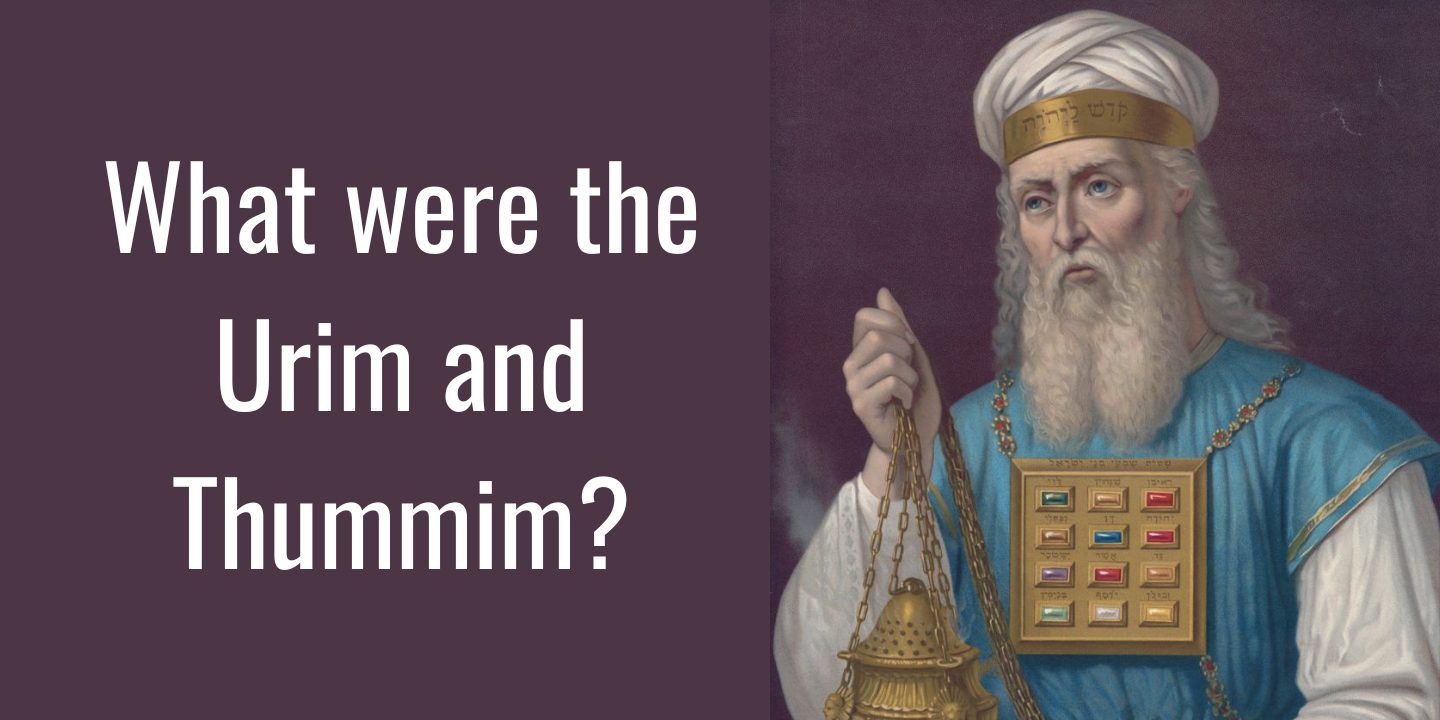
What Were the Urim and Thummim?
The Urim and Thummim were gemstones with special significance, but the Bible provides limited information about their appearance and exact nature. Some scholars propose that God caused these stones to light up in specific patterns to reveal His decisions. Another theory suggests that the Urim and Thummim were kept in a pouch and engraved with symbols for “yes” or “no” and “true” or “false,” which the high priest would interpret to understand God’s guidance.
How Were They Used?
The exact method of using the Urim and Thummim is not clearly detailed in the Bible. It’s uncertain whether they were attached to, carried beside, or placed within the high priest’s ephod. What we do know is that these items were integral to seeking divine answers. References to the Urim and Thummim are sparse but significant.
They first appear in the Bible in the description of the breastplate of judgment worn by the high priest (Exodus 28:30; Leviticus 8:8). When Joshua succeeded Moses as the leader of Israel, he was instructed to consult God through the Urim, with the help of Eleazar, the high priest (Numbers 27:21). Moses also mentions the Urim and Thummim in his blessing upon the tribe of Levi (Deuteronomy 33:8).
Biblical References
Although not frequently mentioned, the Urim and Thummim are alluded to in several key passages. These include:
- Exodus 28:30 and Leviticus 8:8: Descriptions of the high priest’s garments.
- Numbers 27:21: Instructions for Joshua to seek God’s counsel through the Urim.
- Deuteronomy 33:8: Moses’ blessing on Levi, highlighting the Urim and Thummim.
- Additional possible references: Joshua 7:14-18, 1 Samuel 14:37-45, and 2 Samuel 21:1.
These passages provide glimpses into the use and significance of the Urim and Thummim, but they leave much to the imagination and interpretation.
🚨🚨🚨 You might also want to read, “10 of Life’s Greatest Questions Asked In The Bible and Their Answers.”
7. What would it feel like to be a spirit being?
The Bible offers glimpses of what it might be like to be a spirit being, through descriptions of angels and the Holy Spirit. However, it doesn’t provide a detailed account of their experiences or sensations. According to biblical descriptions, being a spirit being might involve transcending physical limitations, existing in a state of pure consciousness, and having a direct connection with God. While these hints are intriguing, they leave much to the imagination, prompting deep reflection on the nature of spiritual existence and the afterlife.
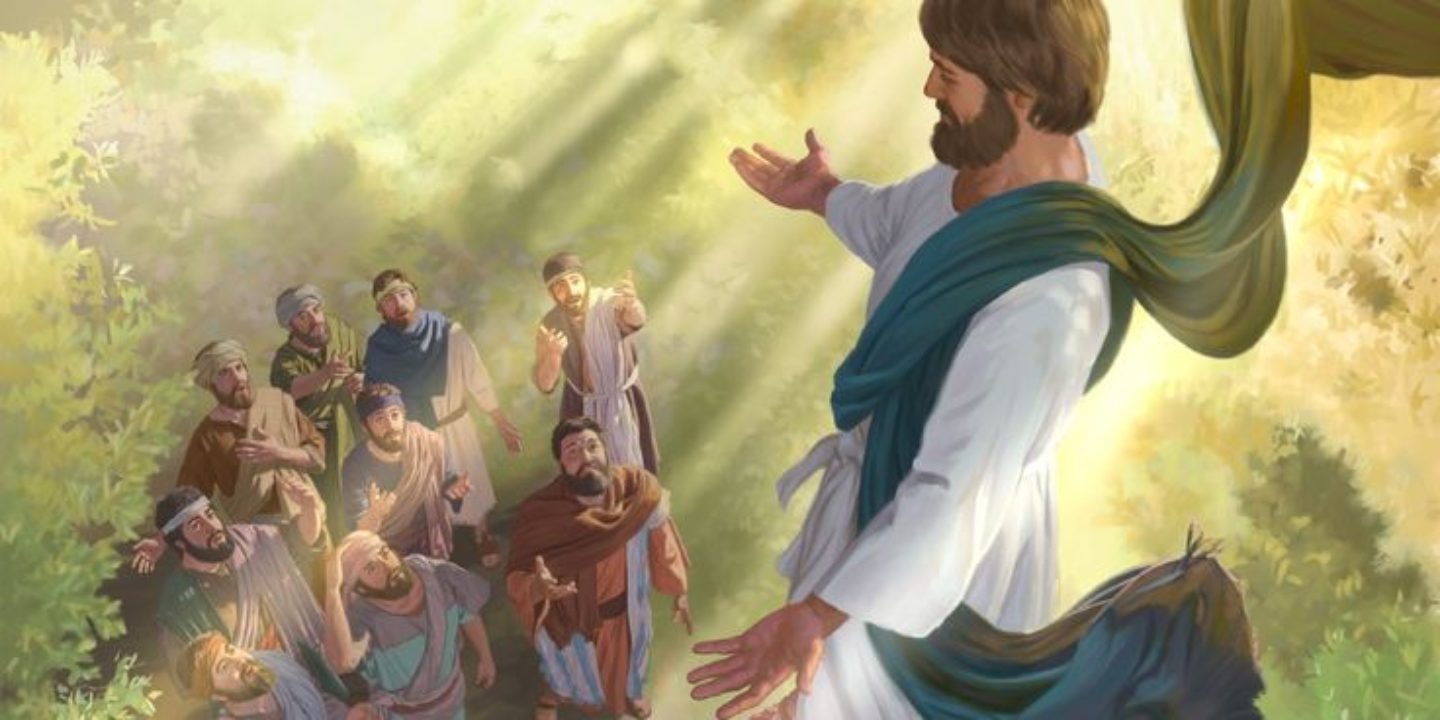
Insights from Jesus
While we live in the physical world and don’t fully understand what it’s like to exist in a glorified and spiritual body, Jesus offers us some clues. In John 3:5-8, He says:
Jesus answered, “Most assuredly, I say to you, unless one is born of water and the Spirit, he cannot enter the kingdom of God. That which is born of the flesh is flesh, and that which is born of the Spirit is spirit. Do not marvel that I said to you, ‘You must be born again.’ The wind blows where it wishes, and you hear the sound of it, but cannot tell where it comes from and where it goes. So is everyone who is born of the Spirit.”
In this passage, Jesus compares being a spirit to the wind—something that moves freely and cannot be seen but can be felt. This suggests that spirit beings have a level of freedom and subtlety that we, as physical beings, cannot fully comprehend.
The Resurrected Jesus
After His resurrection, Jesus provides additional insights into the nature of a spirit being. He was able to pass through walls and doors, demonstrating freedom from physical barriers (John 20:19, 26). He also ascended to heaven to report to His Father, indicating a capability for instantaneous travel or movement beyond our understanding (Acts 1:9-11).
Spirit beings, according to biblical accounts, do not need to eat and are not subject to human frailties such as getting tired or sick. They are immortal, no longer experiencing death. Additionally, like the angels, they do not have sexual reproductive systems and typically appear in a masculine form when manifesting to humans.
A Glimpse, Not the Full Picture
These descriptions give us intriguing clues about the nature of spirit beings. They suggest a state of existence that is free from the limitations of the physical world, filled with capabilities that go beyond our current human experience. However, they do not provide a complete picture. The Bible’s silence on many specifics leaves much to our imagination and faith, inviting us to ponder the profound mysteries of spiritual existence and the afterlife.
Finding the Answers to Unanswered Questions in the Bible
The seven biggest unanswered questions in the Bible—Where is the Garden of Eden? Where is Noah’s Ark? What happened during Jesus’ ‘missing years’? What was Paul’s ‘thorn in the flesh’? Where is the Ark of the Covenant? What were the Urim and Thummim? What would it feel like to be a spirit being?—continue to intrigue and challenge us. These mysteries are not meant to diminish our faith but rather to deepen it, encouraging us to trust in God’s wisdom and timing. Some answers may be revealed in this life, while others await us in the life to come.
Asking these questions and exploring their possible answers is a sign of a healthy and curious faith. It shows our willingness to learn, grow, and engage more deeply with the Bible. Embracing the mysteries of scripture helps us appreciate the vastness of God’s plan and the richness of our spiritual journey. So, let these unanswered questions inspire you to delve deeper into your faith, trusting that God will reveal the answers in His perfect time.

Learn more about the Bible by enrolling in our course, “Read the Bible in 365 Days.” In this course, you will not just go through the Bible from cover to cover, but also read daily reflection and meditation upon the verses you read for that day. Sign up today!

About the Author
Joshua Infantado is the founder of the Becoming Christians website and the Becoming Christians Academy, an online course. Since 2013, he has been writing Christian articles, and he launched his own YouTube channel. Joshua is deeply passionate about sharing the Word of God and supporting people in their Christian journey.