Imagine spending decades raising a family, working hard, serving your community, and helping build the church you love. Then, as the years pass, your children grow up, your daily responsibilities become fewer, and the people you once saw regularly become increasingly busy with their own lives.
You still have stories to tell. You still have wisdom to share. You still have a heart that longs for fellowship, purpose, and spiritual growth.
But does your church still make room for you?
This is an important question every church leader, pastor, ministry worker, and Christian should consider.
Churches often invest considerable time and resources in children’s ministries, youth programs, couples’ fellowships, and young adult activities. These ministries serve important purposes. Yet there is another group that deserves intentional attention: senior citizens.
Our senior members and neighbors need more than an occasional greeting on Sunday morning. They need meaningful relationships, opportunities to serve, spiritual encouragement, and a church community that recognizes their continuing value.
That is why every church should seriously consider establishing a dedicated ministry for senior citizens.
In his book, Senior Outreach: Senior Citizen Ministry Manual, Dr. Dewey E. Painter, Sr. provides practical guidance for churches that want to reach, serve, and encourage older adults. Drawing on his experience developing senior citizen programs, he offers ideas for organizing activities, recruiting volunteers, coordinating transportation, conducting outreach, and building a sustainable ministry.
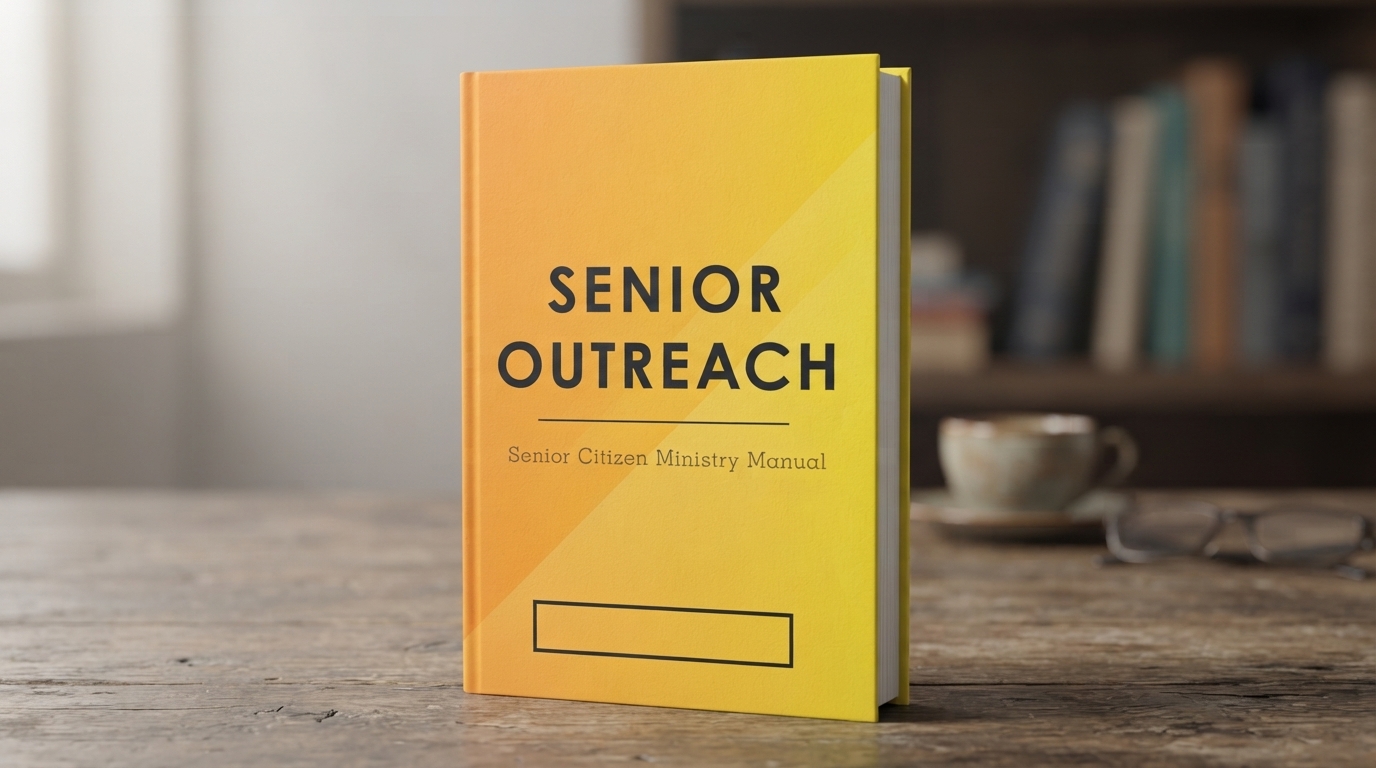
But before exploring how churches can put such a ministry into practice, let’s consider why it matters so much.
1. Senior Citizens Deserve to Be Seen, Valued, and Remembered
One of the greatest mistakes a church can make is assuming that senior citizens no longer need as much attention simply because they have grown older.
The truth is that growing older can bring significant changes to a person’s life. Retirement may remove familiar routines. The loss of a spouse can leave an enormous emotional void. Adult children may live far away, and physical limitations can make it more difficult to attend church or participate in community activities.
For some seniors, loneliness becomes a regular part of life.
Even those who have strong faith can experience these challenges. Knowing God does not mean a person never feels lonely, discouraged, or forgotten.
This is where the church has an opportunity to demonstrate the love of Christ in a practical way.
A dedicated senior citizen ministry creates intentional opportunities for older adults to build friendships, receive encouragement, and remain connected to the church family. A phone call, home visit, shared meal, or simple invitation can remind someone that they still matter.
Dr. Painter emphasizes this need in Senior Outreach: Senior Citizen Ministry Manual. In the preface, he writes:
“All of them need love, understanding, to feel needed and most of all they want to be needed and useful.”
That statement captures something essential about ministry to older adults. People do not stop needing love, belonging, and purpose when they reach a certain age.
A senior ministry should therefore do more than organize events. It should cultivate genuine relationships in which older adults are welcomed, remembered, and appreciated.
Sometimes, the most meaningful ministry begins with a simple question: “How have you been, and how can we help?”

2. Senior Citizens Still Have Important Spiritual Needs
A person’s spiritual journey does not end with retirement.
Senior citizens still need opportunities to study Scripture, grow in their understanding of God’s Word, receive biblical encouragement, and deepen their relationship with the Lord.
Some may have been Christians for decades and can share a lifetime of lessons learned through faith. Others may be searching for answers, returning to church after many years, or trying to understand what it means to follow Christ.
A church that intentionally reaches older adults can create opportunities for both groups to grow.
Consider what the Bible says in Psalm 92:14:
“They shall still bring forth fruit in old age; they shall be fat and flourishing.” (KJV)
This verse offers a beautiful reminder that fruitfulness is not limited to youth. Older believers can continue to grow spiritually, encourage others, pray faithfully, share their testimonies, and contribute to the life of the church.
A senior citizen ministry can support these opportunities through Bible studies, devotional gatherings, prayer meetings, discipleship, and personal conversations about faith.
It can also provide a welcoming environment for older adults who have never developed a consistent relationship with a local church.
Dr. Painter’s manual places evangelism and spiritual encouragement at the heart of senior outreach. He explains that senior programs should help reach those who do not yet know Christ while encouraging believers to participate in the life and fellowship of the local church.
This is an important distinction. A senior ministry is not merely a social club with a Christian label. It is an opportunity to combine genuine care, Christian fellowship, and purposeful spiritual outreach.
3. Older Adults Should Have Opportunities to Serve, Not Just Receive
When people hear the phrase senior citizen ministry, they may picture a group of older adults sitting together while younger volunteers organize everything for them.
Although practical assistance is sometimes necessary, that picture is incomplete.
Many senior citizens have decades of experience, valuable skills, and a deep desire to contribute. Some have taught Sunday school, raised families, led businesses, served in the community, or faithfully supported church ministries for years.
Their age does not erase their gifts.
In fact, a senior ministry can become a place where older adults discover new opportunities to serve.
Some might welcome visitors, help prepare meals, participate in prayer teams, share testimonies, mentor younger believers, or assist with planning ministry activities. Others may prefer quieter roles suited to their abilities and circumstances.
The important thing is to make room for participation.
Paul writes in 1 Corinthians 12:4–6 that there are diversities of gifts and services, but the same Spirit and the same Lord. The broader principle is that the body of Christ needs the contributions of its members.
A well-planned senior ministry can put this principle into practice by helping older adults identify meaningful ways to serve.
Dr. Painter addresses this practical concern throughout his manual, including sections on volunteer responsibilities, job descriptions, record keeping, and volunteer recognition.
His approach reminds church leaders that an effective ministry needs both people who receive care and people who have opportunities to contribute.
Senior citizens should not be treated as though their usefulness has expired. They remain people with gifts, experiences, relationships, and stories that can bless the entire congregation.
4. A Senior Ministry Can Strengthen Relationships Across Generations
One of the most valuable opportunities in senior outreach is the chance to bring different generations together.
Younger Christians often have questions about marriage, parenting, work, perseverance, and faithfulness. Older believers may have spent years navigating these very challenges.
Their experiences do not make them infallible, but they can offer perspective that younger people may find difficult to gain elsewhere.
Imagine a church where older members regularly share testimonies with young adults, pray for young families, encourage new believers, and participate in mentoring relationships.
Imagine children learning to appreciate the people who helped establish their church. Imagine teenagers discovering that older adults have faced disappointments, overcome hardships, and learned to trust God through difficult seasons.
These relationships can help create a stronger sense of belonging within the congregation.
Titus 2:2–5 describes older men and women teaching and encouraging younger believers in godly living. This passage highlights the value of spiritual guidance across generations.
A senior ministry can provide a natural setting for these relationships to develop.
The goal is not to separate older adults from the rest of the church. Rather, it is to ensure that their needs are addressed while creating opportunities for their wisdom and experience to enrich the whole congregation.
5. A Church Can Extend Its Ministry Beyond Sunday Services
Church attendance is important, but not every senior citizen can easily attend regular services or other church activities.
Some may have difficulty driving. Others may depend on family members for transportation. Some may live in nursing homes, assisted-living facilities, or their own homes with limited mobility.
If the church’s ministry reaches only those who can walk through its doors, it may overlook people who need fellowship and encouragement.
Jesus’ teaching in Matthew 25:36 includes visiting those who are sick. This passage reminds Christians that care for people in vulnerable circumstances is an important expression of faithful service.
A senior citizen ministry can make such care more intentional.
For example, volunteers might:
- Visit older adults who are unable to attend church regularly.
- Call seniors who have missed a meeting to check on their well-being.
- Coordinate transportation for those who need a ride.
- Partner with care facilities to arrange appropriate visits and fellowship.
- Deliver encouragement, prayer, and practical assistance when needed.
- Help older adults remain connected to the wider congregation.
These activities do not need to begin on a large scale. Even a small team of committed volunteers can start by identifying a few people who would benefit from regular contact.
In Senior Outreach: Senior Citizen Ministry Manual, Dr. Painter devotes an entire section to outreach ministry, including home visitation, follow-up, rest home ministry, and ministry to people who are confined to their homes.
His emphasis is practical: reaching seniors requires more than inviting them to attend an event. It means taking the initiative to connect with them where they are.
If they cannot come to the church, the church can find appropriate ways to bring its care and fellowship to them.
6. A Senior Citizen Ministry Does Not Have to Begin With a Large Budget
Perhaps your church recognizes the need but feels discouraged by the practical challenges.
You may be thinking, “We already have limited volunteers. Our budget is tight. We don’t have a dedicated building or a large group of senior citizens to serve.”
These are understandable concerns. Every ministry requires planning, time, and commitment. However, establishing a senior ministry does not necessarily mean launching an elaborate program with expensive facilities and a full calendar of events.
It can begin with something simple.
A monthly fellowship meal. A short devotional followed by conversation. A regular visitation schedule. A prayer group. A birthday greeting ministry. A transportation arrangement coordinated by willing church members.
As participation grows and resources become available, the church can consider additional activities.
This gradual approach is consistent with the practical advice in Dr. Painter’s manual. He emphasizes beginning with available people and resources, developing a workable plan, and allowing the ministry to grow as time, funding, and personnel permit.
He also shares an encouraging example from his own experience. A senior citizen program that began with just eight people eventually grew to more than 90 participants in six months.
That example is not a promise that every ministry will grow at the same rate. Rather, it illustrates why churches should not assume that a small beginning is a reason to give up.
The better question is not, “How large can we make this ministry immediately?”
It is, “What can we faithfully do with the people and resources God has already placed in our hands?”
Start with the needs you can identify. Invite willing volunteers. Seek the pastor’s support. Establish a manageable schedule, and pay attention to the people you serve.
A ministry built on consistent care can develop without requiring an elaborate beginning.
7. Senior Outreach Requires Planning, Not Just Good Intentions
Good intentions matter, but they are not enough to sustain a ministry.
A church might organize a wonderful luncheon, welcome dozens of visitors, and enjoy a meaningful time together. But what happens afterward?
Who follows up with first-time visitors? Who contacts those who could not attend? Who arranges transportation for the next gathering? Who checks on seniors who suddenly stop participating? Who keeps track of volunteers and their responsibilities?
Without a clear plan, important details can easily be forgotten.
This is why organization is an essential part of senior outreach.
A sustainable ministry benefits from defined leadership, assigned responsibilities, a realistic budget, a schedule of activities, accurate records, and a system for follow-up.
Transportation also deserves careful consideration. Some seniors may need assistance getting to meetings, while others may require accessible facilities or adjustments to activities. Churches should plan with participants’ individual circumstances and safety in mind.
Dr. Painter’s Senior Outreach: Senior Citizen Ministry Manual addresses these practical issues in considerable detail.
The book includes guidance on:
- Organization and administration: Starting a program, establishing leadership, planning facilities, arranging transportation, and considering financial support.
- Programs and activities: Organizing fellowships, shared meals, special gatherings, and trips.
- Outreach ministry: Conducting home visits, following up with participants, and reaching seniors in care facilities or at home.
- Promotion: Using announcements, flyers, posters, and other communication methods.
- Helpers and personnel: Recruiting volunteers, assigning responsibilities, maintaining records, and recognizing those who serve.
- Practical forms and resources: Using sample forms, planning materials, promotional examples, and other supporting documents.
Instead of leaving church leaders to figure out every detail from scratch, the manual provides a collection of ideas and working resources they can adapt to their own congregations and communities.
This is particularly helpful for pastors, ministry directors, and volunteers who recognize the need but are unsure how to turn that concern into an organized, sustainable program.
8. A Senior Ministry Can Become a Meaningful Outreach to the Community
A church’s responsibility to care for older adults does not end with the seniors who already attend its services.
There may be older adults in the surrounding community who have little connection with a local church. Some may be looking for friendship. Others may welcome a chance to participate in wholesome activities or hear an encouraging biblical message.
A well-organized senior ministry can create a welcoming point of contact.
For example, a church could organize an open fellowship luncheon, invite seniors from the surrounding neighborhood, and provide an opportunity for conversation and encouragement. Volunteers could follow up with guests who welcome further contact. The church could also explore appropriate partnerships with local organizations or residential care facilities.
The key is to make the invitation genuine and the experience welcoming.
Churches should not view older adults simply as attendance figures or ministry prospects. Each person deserves dignity, respect, and sincere care. Outreach should build trust through consistent relationships rather than treating fellowship as a one-time event.
Dr. Painter’s manual presents senior ministry as an outreach of the local church, combining fellowship and practical activities with spiritual encouragement and opportunities to hear the gospel.
That vision allows the church to serve both its congregation and the surrounding community.
It also reminds us that a person’s age should never be a reason to assume that opportunities for spiritual growth, friendship, and meaningful participation have passed.
How Can Your Church Start a Ministry for Senior Citizens?
If your church does not yet have a dedicated senior citizen ministry, you do not need to have every detail figured out before taking the first step.
Here is a practical place to begin.
1. Talk with your pastor and church leadership.
Explain why you believe older adults in your congregation and community would benefit from a dedicated ministry. Discuss the needs you have observed and the resources currently available.
2. Identify the seniors you could serve.
Begin by learning who is already part of your congregation and who in your community might welcome an invitation. Listen to their needs, interests, and preferences instead of assuming that everyone wants the same activities.
3. Recruit a small team of willing volunteers.
Look for people who are dependable, compassionate, respectful, and willing to serve. Assign clear responsibilities rather than expecting one person to handle everything.
4. Start with one manageable activity.
A monthly gathering, fellowship meal, Bible study, or visitation effort can provide a starting point. Choose something your team can organize consistently with the resources available.
5. Plan for follow-up.
Keep appropriate records, obtain permission before making ongoing contact, and establish a simple process for checking on participants who miss gatherings or request assistance. Respect people’s privacy and personal boundaries.
6. Evaluate and improve.
Ask participants what they appreciate, what could be improved, and what additional support they need. Let their feedback help shape the ministry’s development.
7. Use a practical guide to help you plan.
You do not have to develop every policy, activity, and organizational procedure from the ground up. A dedicated ministry manual can help you think through the details and avoid overlooking important responsibilities.
This final step is where Senior Outreach: Senior Citizen Ministry Manual can be especially useful.
A Practical Resource for Churches Ready to Reach Seniors
The desire to serve senior citizens is a meaningful beginning. Turning that desire into a ministry that operates consistently, reaches people effectively, and remains organized over time requires practical guidance.
That is the purpose of Dr. Dewey E. Painter, Sr.’s book, Senior Outreach: Senior Citizen Ministry Manual.
Rather than focusing only on why senior outreach matters, the book explores how a church can put a program into action. Its guidance covers the organizational side of ministry as well as the activities, outreach efforts, volunteer responsibilities, and promotional resources that help support it.
Whether you are a pastor considering a new ministry, a church member who wants to serve older adults, or a volunteer who has been asked to organize a senior fellowship, this manual offers ideas you can adapt to your local circumstances.
You can use it to help develop an initial plan, organize a team, consider transportation and financial needs, schedule activities, and establish a more consistent approach to reaching seniors.
Most importantly, it keeps the focus on the people the ministry exists to serve.
Your church does not have to wait until it has a large budget, a big volunteer team, or a perfect plan. It can begin by recognizing the needs of older adults and taking practical steps to meet them.
Get Your Copy of Senior Outreach: Senior Citizen Ministry Manual
Every church has an opportunity to show older adults that they are valued members of the community, that their spiritual lives still matter, and that there are meaningful ways for them to participate in the life of the church.
But that opportunity requires action.
If you are ready to start a senior citizen ministry or strengthen an existing program, let Dr. Dewey E. Painter, Sr.’s Senior Outreach: Senior Citizen Ministry Manual help you take the next step.
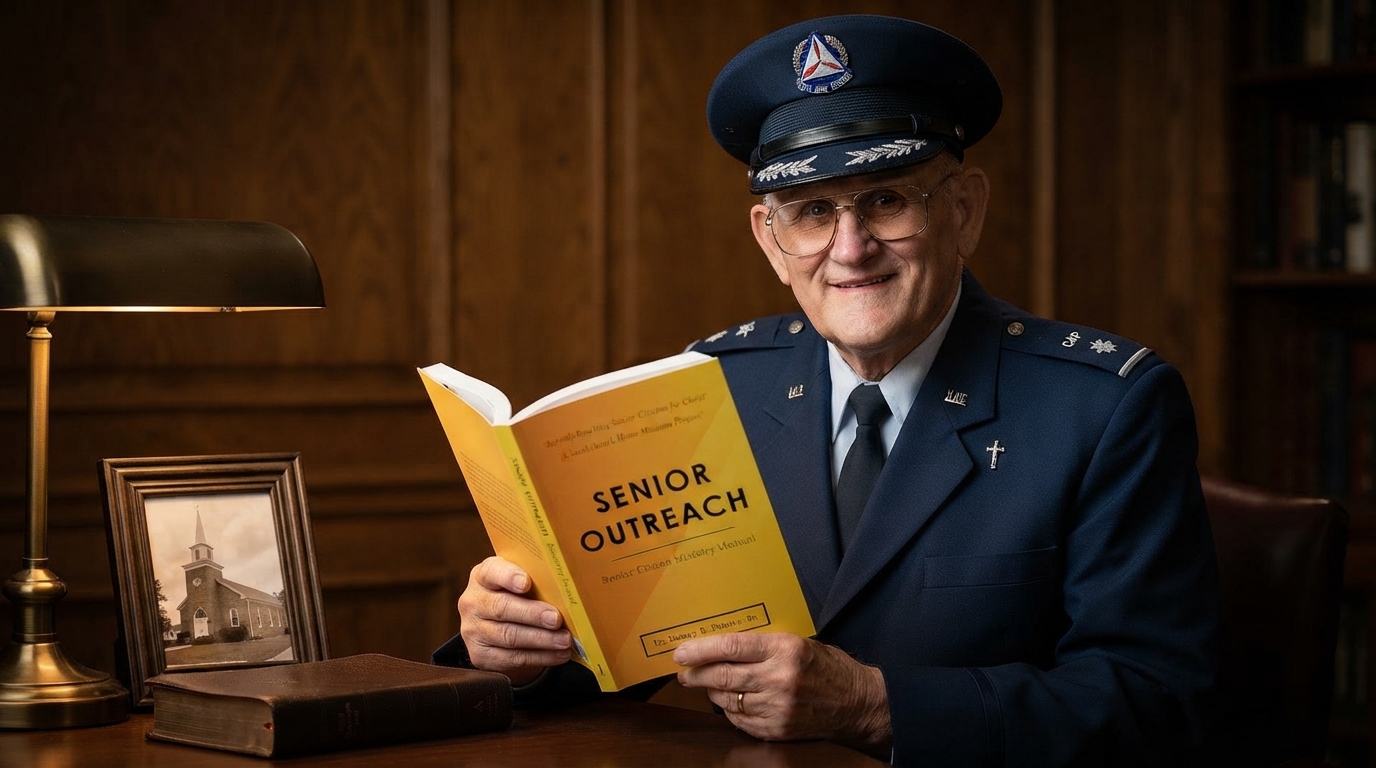
Order your copy today on Amazon:
Get Senior Outreach: Senior Citizen Ministry Manual on Amazon
Prefer to order directly? You may also contact Dr. Painter by email at crcfchaplainpainter@gmail.com.
Don’t let uncertainty about where to begin keep your church from reaching the older adults who could benefit from meaningful fellowship, spiritual encouragement, and compassionate care.
Read the manual. Develop your plan. Gather your volunteers. Then take that first step toward building a ministry that reminds senior citizens they are seen, valued, and loved.
Because growing older should never mean being forgotten by the church.
Discover more from Becoming Christians
Subscribe to get the latest posts sent to your email.