Every parent wants their child to know God. But there’s a difference between raising kids who know about God and raising kids who actually love Him. One is information.
The other is transformation. And the difference isn’t found in a perfect Sabbath school attendance record. It’s found in the everyday, ordinary moments of home life.
Here’s how to raise children who genuinely love God, not just perform religion.
Do you want to learn more about Biblical parenting principles that are relevant in our society today? If yes, download my free guide, “How to Raise Godly Children in the Digital Age.”
1. Let Them See You Love Him First
Kids are experts at spotting fake. If faith is something you perform in church services but ignore on Tuesdays, they’ll notice. But if they see you pray honestly, admit when you’re wrong, and talk about God like He’s real and present — not a rulebook in the sky — they’ll believe it’s real too. Your authentic relationship with God is the single greatest curriculum you’ll ever teach.

2. Make Faith a Conversation, Not a Lecture
Kids stop listening the moment faith feels like a sermon. Instead, weave it into normal life. Talk about God in the car, at dinner, during a hard day. Ask questions like “Where did you see God today?” instead of just delivering answers. When faith becomes dialogue instead of monologue, kids start to own it instead of just hearing it.
3. Let Them Wrestle with Real Questions
Doubt isn’t the enemy of faith… silence is. If your child asks hard questions about suffering, hell, science, or why prayers seem unanswered, don’t panic or shut it down. Wrestle with them. A faith that’s never questioned is rarely a faith that lasts. Kids who are allowed to doubt out loud in a safe home are far more likely to land on real, resilient belief.
Best Christian Parenting Books in August 2026

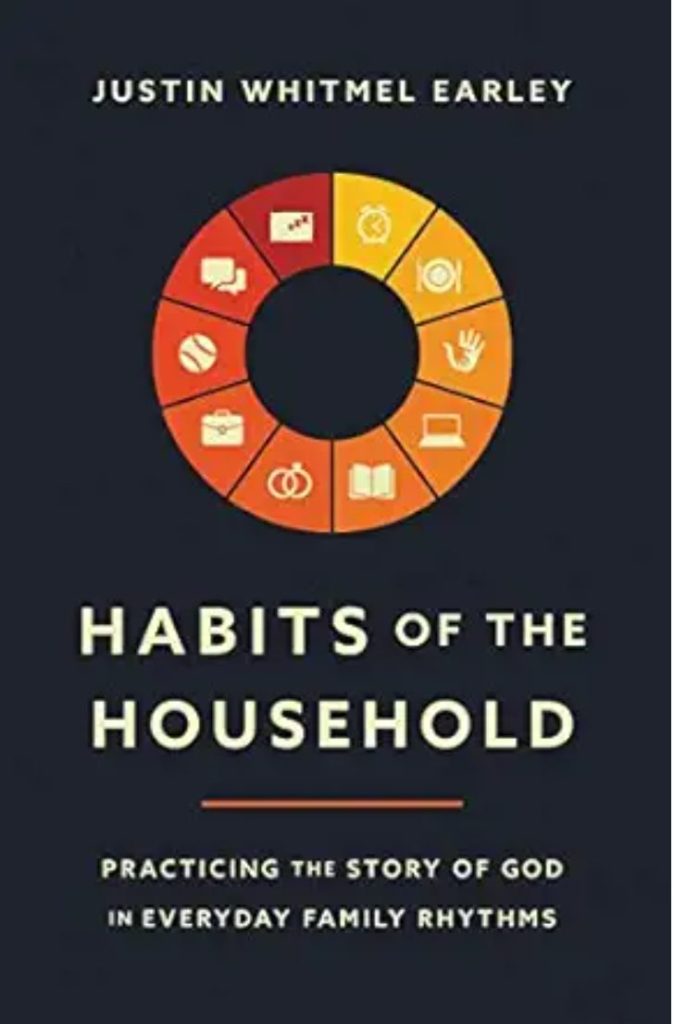

4. Show Them Grace Before Law
Many kids grow up thinking God is mostly disappointed in them. Flip that. Let grace be the loudest message in your home before rules, before performance, before “good behavior.” When children understand they are loved first, obedience becomes a response to love, not a way to earn it.
5. Model Repentance, Not Perfection
You will mess up. When you do, let your kids see you apologize — to them, and to God. This teaches them that a relationship with God isn’t about never failing; it’s about always returning. That’s a lesson that will carry them through every future season of doubt, sin, and struggle.
6. Pray With Them, Not Just Over Them
Praying for your children matters. But praying with them, hearing their real fears, their real gratitude, their real requests, invites them into an actual relationship with God, not just a spiritual routine you manage on their behalf.
Raising children who love God isn’t a formula. It’s a long obedience of presence, honesty, grace, and prayer. Keep showing up. Keep loving Him out loud. That’s how faith gets passed down, not perfectly, but authentically.
Want a Practical Next Step?
Loving God is a beautiful goal but how do you actually live this out day to day, especially with screens, social media, and constant digital distractions competing for your child’s heart?
That’s exactly why I created a FREE Bible study guide: “How to Raise Godly Children in the Digital Age.”
This isn’t just another parenting resource collecting dust in your inbox. Inside, you’ll get:
- Practical, Scripture-rooted strategies for guiding your kids through screen time, social media, and online pressures
- Real conversation starters to open up spiritual dialogue with your children even the reluctant ones
- A biblical framework for building faith that survives contact with a digital world
- Simple daily habits that make discipleship feel doable, not overwhelming
You don’t need to have it all figured out. You just need a place to start.
👉 Download your free copy today and take the next confident step toward raising children whose faith is real, resilient, and rooted no matter what device is in their hands.
Your children’s faith is worth the investment. Get your free guide now.
Discover more from Becoming Christians
Subscribe to get the latest posts sent to your email.