Like many families, we recently watched Toy Story 5, and we had a wonderful time.
The movie is funny, heartfelt, adventurous, and filled with the charm that made the franchise so beloved. But beneath the laughter and nostalgia lies a message that every parent needs to hear.
This time, Woody, Buzz, Jessie, and the gang are not competing against another toy. They are facing something far more powerful: technology.
The film centers on Bonnie, who struggles to connect with other children.
The games she loves no longer seem interesting to her peers. Instead of imaginative play, many children are absorbed in their devices.
Feeling left out, Bonnie turns to a tablet in the hope that it will help her fit in and make friends. Tragically, she experiences rejection and bullying from the very children she hoped would accept her.

As I watched Bonnie’s story unfold, I couldn’t help but think about our own children.
Technology has transformed childhood.
According to a 2025 report from the nonprofit organization Common Sense Media, children ages 8 to 12 spend an average of more than five hours each day using entertainment screen media, while teenagers spend more than eight hours daily.
Excessive screen time has been linked to reduced face-to-face interaction, increased feelings of loneliness, and greater risks of anxiety and depression.

Governments around the world are becoming increasingly concerned about children’s digital well-being, with several countries introducing stricter regulations on youth access to social media.
Technology itself is not the enemy.
After all, technology allows us to stay connected with loved ones across the world, learn new skills, access educational resources, and build meaningful communities. When used wisely, it can strengthen relationships rather than weaken them.
The problem begins when technology replaces real human connection instead of supporting it.
The irony of our digital age is that while we have more ways to communicate than ever before, many people feel more isolated than ever.

Screens are meant to be windows, not walls.
As parents, we must recognize an important truth: when we give our children smartphones and tablets, they do not simply gain access to the internet. The internet gains access to them.
Their attention, emotions, values, and identities are still developing. They are vulnerable to unhealthy influences, cyberbullying, addictive algorithms, and harmful content.
Our children need guidance because they are still learning how to navigate a complex digital world.
That means setting healthy boundaries around technology use. It means knowing what apps they use, who they interact with online, and how much time they spend on their devices. Most importantly, it means offering something no screen can replace: our presence.
Children do not just need our provision. They need our attention.
It is easy to hand a child a phone when life gets busy. Every parent understands the temptation. But screens should never become substitutes for relationships.
No app can replace a conversation.
No video can replace a bedtime story.
No game can replace the joy of shared experiences.
The strongest protection we can give our children is a close relationship with us.
The Bible reminds parents of their responsibility to actively guide and teach their children:
“These words that I command you today shall be on your heart. You shall teach them diligently to your children.” (Deuteronomy 6:6-7)
God never intended for devices to disciple our children. That responsibility belongs to parents.
The moments we spend talking, playing, listening, and learning together shape our children’s hearts in ways that no algorithm ever could.
Time is precious.
The more we invest in our children today, the stronger our relationship with them will be tomorrow.
Toy Story 5 is not an argument against technology. It is a reminder that children need meaningful relationships, imaginative play, and caring adults who are fully present in their lives.
I highly recommend this movie.
It is entertaining for children, nostalgic for adults, and filled with important lessons for families navigating life in a digital world.
Sometimes the most powerful teaching moments come from the most unexpected places, even from a group of toys reminding us what matters most.
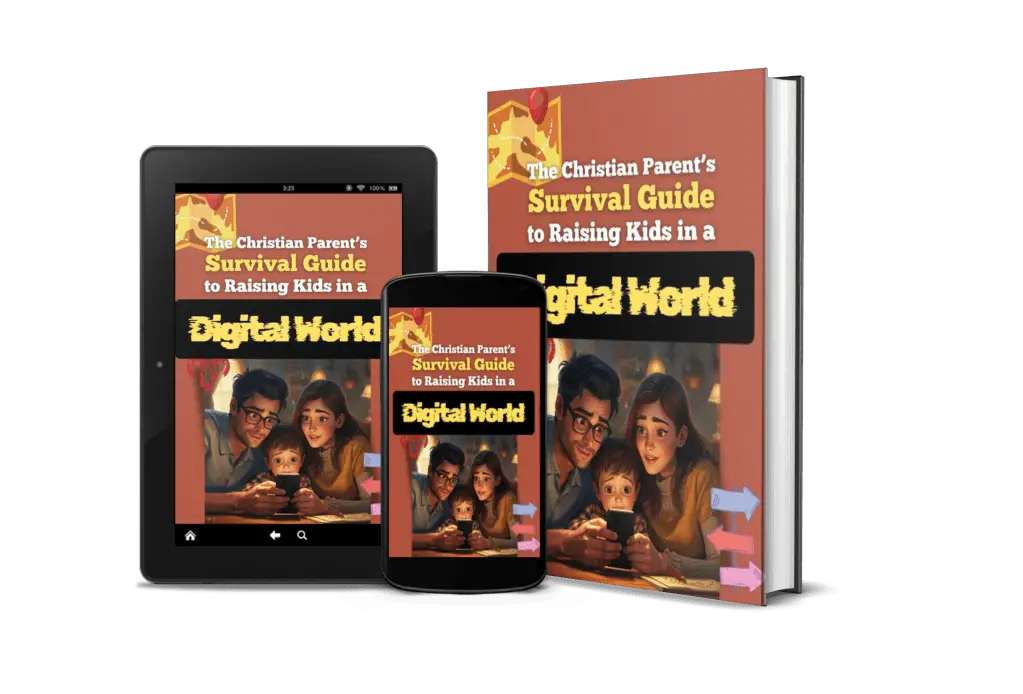
We live in the digital age where our children are pulled everywhere. From social media to high-speed entertainment, our kids are too distracted and influenced in all directions. If you want to learn how to cope, download my FREE Bible study guide, “A Christian Parent’s Guide in Raising Kids in a Digital World: A Practical, Biblical, and Must-Have Resource for Every Christian Parent Today.”
Discover more from Becoming Christians
Subscribe to get the latest posts sent to your email.