Senior citizens are often one of the most overlooked groups in church ministry.
Churches commonly have programs for children, teenagers, young adults, families, and other groups, but intentional ministry to older adults can sometimes receive far less attention. Yet senior citizens have spiritual, emotional, social, and practical needs just like every other generation.
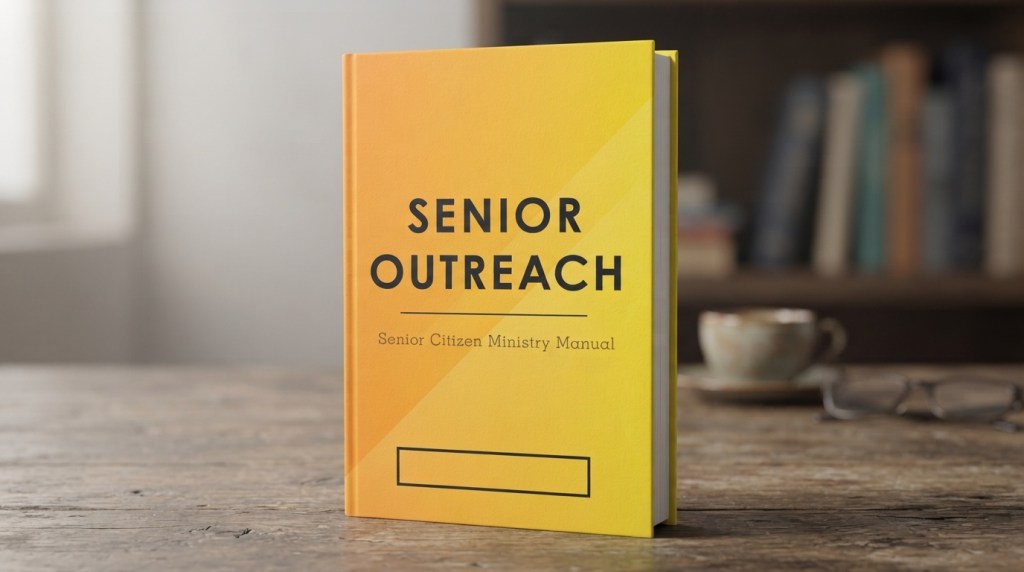
That is the concern behind Senior Outreach: Senior Citizen Ministry Manual by Dr. Dewey E. Painter Sr., a practical guide designed to help churches develop an organized ministry specifically focused on senior citizens.
What makes this book particularly interesting is that it is not presented as a theoretical discussion about aging or church ministry. Dr. Painter draws heavily from his own experience developing senior citizen programs. The manual explains that he was instrumental in helping start 17 senior citizen programs in churches in Northeast Florida and Southeast Georgia, and that these experiences became the foundation for the guide.
A Practical Guide, Not Just a Discussion
One of the first things that stands out about Senior Outreach is its practical nature.
The author explicitly describes the book as a collection of practical ideas rather than a philosophical dissertation about senior citizens. The goal is to provide churches with workable ways to establish and maintain a meaningful senior ministry.
The book takes readers through the process step by step.
It begins with the question of why a church should have a senior citizen program, then moves into organization and administration. From there, it addresses physical facilities, transportation, financial support, programs, outreach, promotional efforts, volunteers, and record keeping. The appendices add another practical dimension with profile sheets, program development forms, individual records, event flyers, luncheon forms, fundraising materials, and promotional resources.
In other words, a church leader does not have to start completely from scratch.
The book provides a framework that can be adapted to the needs and resources of a particular congregation.
What Can You Learn From the Book?
There is a lot of practical material here for pastors, ministry leaders, volunteers, and churches that want to become more intentional about serving older adults.
1. How to Start a Senior Ministry
The manual provides a detailed sequence for getting a program started. It discusses identifying the need, involving church leadership, recruiting helpers, selecting a director, planning the first event, promoting the program, arranging transportation, and following up with those who attend.
One particularly useful principle is the author’s emphasis on starting with what you have rather than waiting for perfect circumstances.
The author’s own example is compelling. The first program began with only eight people, yet within six months attendance had grown to more than 90. He also explains that the ministry subsequently helped 17 other churches establish senior programs.
That makes the book especially relevant to smaller churches that may assume they need a large budget or a large congregation before they can begin.
2. How to Build More Than a Meeting
The book does not reduce senior ministry to gathering older adults for a weekly meeting.
It presents a broader ministry involving fellowship, meals, activities, trips, visitation, discipleship, evangelism, and opportunities for seniors themselves to serve. The stated purpose of the “Super Sixty” model is to provide outreach to seniors, fellowship for the unchurched, and opportunities for senior members to participate in service.
That is an important distinction.
Senior ministry is not simply about keeping people occupied. In the author’s approach, the program is intended to have a spiritual purpose while also addressing fellowship and practical needs.
3. How to Reach Seniors Beyond the Church Building
Another strength of the manual is its emphasis on outreach.
The book discusses home visitation, follow-up, rest-home ministry, shut-in ministry, block captains, transportation, and other ways of maintaining contact with seniors. It also stresses the importance of following up after someone attends a meeting because illness, hospitalization, or simply feeling unwelcome can cause someone to disappear after one or two visits.
For churches trying to reach seniors who cannot regularly attend services, these ideas can be particularly useful.
The book’s philosophy is essentially that if seniors cannot always come to the church, the church should find ways to take ministry to them.
4. How to Organize Volunteers
A senior ministry cannot function without people willing to serve, and the book devotes an entire section to helpers and personnel.
It discusses volunteer qualifications, job descriptions, record keeping, and recognition. It even suggests ways to acknowledge volunteers publicly and encourage continued participation.
This is useful because a ministry can have a wonderful vision and still struggle if nobody knows exactly what needs to be done.
By assigning responsibilities and giving people meaningful opportunities to participate, the ministry can become something the whole church contributes to rather than something carried by one person.
5. How to Make the Program Sustainable
The book also deals with the less glamorous but necessary side of ministry.
There are discussions about budgets, transportation, facilities, meals, promotion, attendance records, follow-up, and planning. The manual even provides a milestone-based approach for preparing for an event several weeks in advance.
That practical emphasis is one of the reasons the book can be useful to someone who has the desire to begin a senior ministry but simply does not know where to start.
The Spiritual Purpose Behind the Program
Although much of Senior Outreach is devoted to practical organization, the author is clear about the spiritual purpose behind the ministry.
The program is intended to have an evangelistic focus, encourage seniors to become involved in the local church, and provide Christian fellowship and encouragement. The author repeatedly connects the activities of the ministry back to Christ and the Word of God.
This is important because meals, trips, fellowship, and social activities can easily become ends in themselves.
In Painter’s model, they are opportunities through which the church can build relationships, serve people, encourage believers, and share the gospel.
The book even provides examples of informational programs that could be offered to seniors, including topics involving home safety, healthcare, finances, Social Security, Medicare and Medicaid, veterans’ benefits, banking, insurance, and exercise.
That gives churches plenty of room to adapt the concept to the actual needs of their local senior population.
Who Is Dr. Dewey E. Painter Sr.?
The author’s background is another important part of understanding the book.
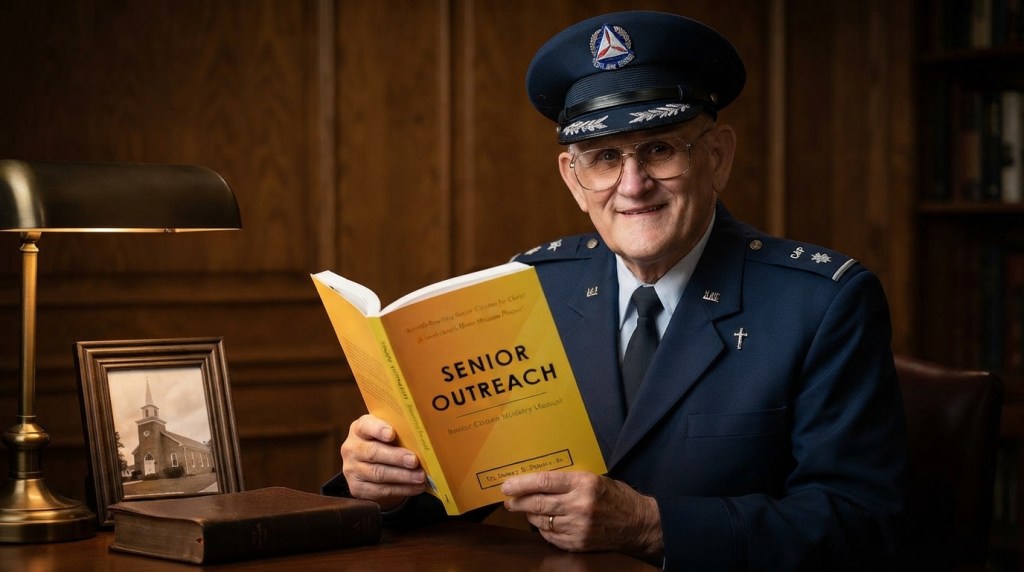
Dr. Dewey E. Painter Sr. has served in military, ministry, educational, and humanitarian roles. The material included with the manual identifies him as a retired military officer and chaplain and describes his involvement with Christian education, missions, humanitarian work, and senior citizen ministry. It also notes his experience helping establish more than 17 senior citizen programs.
The book therefore comes from someone who approaches senior ministry from years of hands-on experience rather than simply from a theoretical perspective.
That practical background is evident throughout the manual.
Who Would Benefit From This Book?
Senior Outreach: Senior Citizen Ministry Manual would be particularly useful for:
- Pastors looking to establish or strengthen a senior ministry
- Church leaders responsible for outreach
- Senior ministry directors and coordinators
- Christian volunteers working with older adults
- Churches serving shut-ins or residents of care facilities
- Small churches looking for an affordable ministry opportunity
- Churches wanting practical ideas for senior fellowship and evangelism
- Ministry leaders who need forms, organizational ideas, and event-planning resources
It can also be useful for churches that already have a senior ministry but want ideas for expanding their outreach, improving organization, or involving more volunteers.
A Book That Turns Concern Into Action
Perhaps the greatest value of Senior Outreach is that it takes a general concern and turns it into a plan.
It is easy for a church to say, “We need to do more for our seniors.” The more difficult question is, “What exactly should we do, and how do we get started?”
This manual spends much of its time answering that second question.
It provides ideas for the first meeting, suggestions for ongoing programs, approaches to transportation and visitation, ways to promote events, methods for organizing volunteers, and forms that can help with administration. The appendices alone contain resources that can save a ministry leader considerable time when creating materials from scratch.
And perhaps one of the most encouraging messages running throughout the book is that a church does not have to begin with a large crowd.
The author’s own experience began with eight people and a modest budget. The program eventually grew substantially, and its experience was used to help other churches begin similar ministries.
For a church leader who has been thinking about starting a senior ministry but keeps putting it off because the church lacks money, volunteers, or a clear plan, that example may be particularly encouraging.
Final Thoughts
Senior Outreach: Senior Citizen Ministry Manual is best understood as a hands-on ministry resource.
It combines the author’s experience with practical instructions, program ideas, outreach strategies, volunteer guidance, promotional suggestions, and administrative resources. Its central message is straightforward: senior citizens should not be overlooked, and the local church can take intentional steps to reach, serve, encourage, and involve them.
If your church is considering starting a senior citizen ministry, or if you are already involved in one and are looking for practical ideas to strengthen it, this manual is worth exploring.
Rather than simply telling churches that senior ministry matters, Dr. Painter gives readers numerous examples of what such a ministry can actually look like.
Get a Copy
You can get Senior Outreach: Senior Citizen Ministry Manual through Amazon:
If you prefer to contact the author directly, Dr. Painter can also be reached at crcfchaplainpainter@gmail.com.
For pastors, ministry leaders, and churches looking for a practical starting point for reaching and serving senior citizens, Senior Outreach offers a wealth of ideas drawn from years of ministry experience.